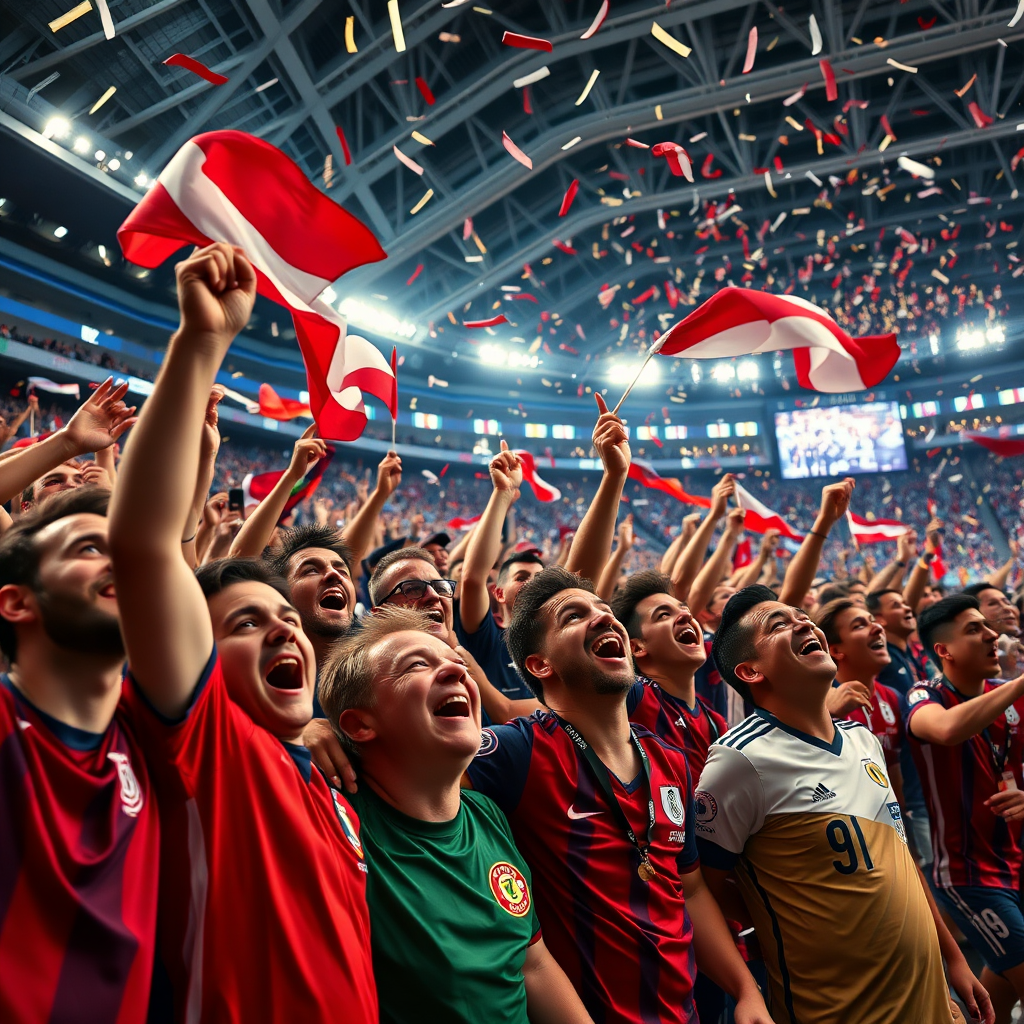
Category: News

  • Live Score Liverpool vs PSG Thrilling Comeback Victory – Updated on go9999.vin

    Live Score Liverpool vs PSG Thrilling Comeback Victory – Updated on go9999.vin

    Sit through the eighty-fifth minute of a high-stakes knockout fixture where both sides are pressed, legs are heavy, and the tactical rhythm shifts from controlled buildup to rapid transitional duels. You notice a midfield line step higher, a wide defender pushes forward to create numerical superiority in attack, and suddenly the tempo accelerates. A misplaced clearance turns into a counter, the striker cuts inside, and the stadium reacts to a sequence that flips the entire narrative. That exact moment is why accurate live tracking matters more than anything else during a Liverpool versus PSG encounter that features a late momentum swing. Fans need second-by-second verification, not speculation. Different ecosystems claim to deliver that verification, but they operate on entirely different architectural choices, data verification loops, and user workflows. Comparing those systems requires looking past surface-level design and examining how each handles urgency, detail density, and long-term reliability.

    Core Differences in Match Data Delivery

    The landscape surrounding live score distribution splits into three primary categories, each optimized for different operational realities. Official federation feeds pull directly from accredited referee reports and club-managed timing logs. Their architecture prioritizes verification above all else, which means confirmation lines wait for cross-referenced inputs before updating the public clock. Independent sports aggregators connect to distributed network nodes that receive micro-updates from stadium broadcasters, local commentators, and volunteer scorers. Those networks reduce latency by allowing faster publish cycles, but they compensate with automated error-correction routines and fallback validation checks. Integrated community hubs sit somewhere in between, leveraging algorithmic pattern recognition to anticipate common match events while still requiring human moderation for ambiguous calls like penalty awards, offside replays, or injury stoppage classifications.

    Data depth varies noticeably across these channels. Official sources typically show basic timeline markers: kickoff, substitutions, cards, goals, and added time. They rarely layer in real-time possession percentages or expected goal projections because those metrics require separate statistical partnerships and licensing agreements. Aggregator networks frequently overlay granular heat maps, pass completion bands, and defensive pressure indices, though the precision of those layers depends on the underlying vendor contracts. Community-driven platforms excel at contextual annotations, tagging moments where tactical shape breaks down or where a manager makes a reactive adjustment. None of these approaches is inherently superior; each serves a different informational appetite.

    Multilingual handling also creates meaningful divergence. Federation feeds usually lock into the competition’s official broadcast language, limiting accessibility for regional audiences. Third-party aggregators commonly implement dynamic translation engines that adapt commentary snippets and statistic labels instantly. Community hubs often rely on contributor dictionaries, which improves localization accuracy but introduces variability in terminology consistency. When a thrilling turnaround occurs, those linguistic and structural differences determine whether you see a raw event ticker or a fully contextualized match narrative within seconds.

    Access Costs and Step-by-Step Processes

    Financial structures across tracking ecosystems range from completely unrestricted to heavily tiered. Official federation applications typically remain free to download, supported by institutional broadcasting rights and embedded advertising partnerships. The barrier to entry is minimal, but feature gating exists behind premium subscriptions that unlock archival libraries, offline match packets, and extended highlight reels. Independent aggregators operate on freemium models where core scoring remains accessible while advanced filters, custom alert thresholds, and data export functions sit behind paid tiers. Community hubs frequently run on donation-based sustainability or niche sponsorship arrangements, which keeps pricing low but introduces variability in server uptime during peak traffic windows.

    The onboarding workflow differs accordingly. Setting up an official tracker usually requires creating an account tied to email verification, selecting preferred languages, and enabling push permissions. The process takes roughly three minutes and locks into standardized notification templates. Aggregator platforms demand more configuration. Users must choose data refresh intervals, toggle metric visibility, adjust alert sensitivity for substitutions versus goals, and sometimes accept third-party cookie policies to maintain continuous background polling. Community integrations often bypass formal registration through guest-tracking tokens or browser caching, which speeds initial access but reduces personalization options until a permanent profile is established.

    Device compatibility adds another layer to the cost-benefit calculation. Native mobile applications consume storage space and require periodic OS updates, making them less suitable for devices with constrained memory budgets. Progressive web implementations eliminate installation friction but depend heavily on browser engine optimization and network stability. Desktop-only portals offer richer dashboard layouts but sacrifice mobility during travel or stadium attendance scenarios. Choosing a pathway means weighing upfront convenience against long-term maintenance overhead. Users who prioritize zero-friction entry often accept slower verification loops, while those willing to configure custom environments gain tighter control over data presentation at the expense of initial setup time.

    link truy cập go99 không lo bị chặn mới nhất xổ số GO99

    Real-Time Experience and Risk Management

    Latency becomes measurable during high-volatility sequences. A rapid counterattack followed by a substituted marker generates burst traffic that can throttle slower processing queues. Systems relying on direct human input occasionally miss simultaneous events occurring within identical time windows, producing minor ordering discrepancies. Automated pipelines smooth those gaps by applying timestamp normalization algorithms, but they can occasionally duplicate notifications when redundant nodes detect the same action independently. The difference usually amounts to one or two seconds, yet that margin determines whether a viewer sees a goal celebration before the scoreboard registers or experiences a brief sync delay.

    Risk exposure extends beyond notification timing. Misinterpretation of provisional data carries tangible consequences. A delayed red card confirmation might skew perceived team strength, leading to inaccurate tactical assessments. Incorrect substitution notation can distort lineup analysis for post-match reviews. Responsible tracking requires establishing verification checkpoints: cross-referencing primary tickers against secondary sources, pausing analytical conclusions until the forty-five-minute mark stabilizes, and treating early indicators as preliminary rather than definitive. Emotional pacing matters equally. Following a frantic comeback sequence demands structured consumption rather than compulsive refreshing, which preserves cognitive clarity and prevents decision fatigue during prolonged engagement windows.

    Security considerations intersect directly with trust thresholds. Reputable tracking environments employ certificate encryption, rate-limiting protocols, and bot-detection filters to preserve service integrity during viral match spikes. Unvetted channels may route traffic through intermediary servers that collect behavioral metadata, alter notification payloads, or inject third-party scripts into scoring displays. Users should audit connection endpoints, disable unnecessary location permissions after initial setup, and prefer platforms that publish transparent data-handling policies. When a dramatic turnover unfolds, maintaining a secure browsing perimeter ensures that engagement remains focused on match analysis rather than infrastructure troubleshooting.

    link truy cập go99 không lo bị chặn mới nhất xổ số GO99

    Strengths and Limitations Across Platforms

    • Official federation trackers deliver authoritative confirmation lines with minimal error rates, yet they restrict granular statistical overlays and limit customization options behind subscription walls.
    • Independent aggregation networks provide ultra-low latency and rich metric integration, but their reliance on distributed input nodes occasionally produces conflicting timestamps during highly compressed event clusters.
    • Community-driven hubs excel at contextual storytelling, tactical annotation, and multilingual adaptation, though inconsistent moderator availability can cause temporary display gaps during major tournament fixtures.
    • Premium subscription models guarantee priority routing and archival depth, yet recurring billing expectations may conflict with casual viewership patterns or budget-constrained hobbyists.
    • Freemium aggregators balance accessibility with advanced filtering, but ad-dependent revenue structures introduce visual clutter and occasional pop-up interruptions during live sequences.
    • Browser-native portals eliminate installation friction and preserve device storage, but they sacrifice background processing efficiency and may throttle refresh rates when system resources compete with other applications.
    • Native mobile applications optimize touch navigation and haptic feedback for rapid alert acknowledgment, yet they consume persistent battery drain and require frequent OS compatibility updates.
    • Cross-platform synchronized accounts enable seamless switching between devices, but data syncing delays can temporarily decouple desktop dashboards from mobile notifications during unstable network conditions.

    link truy cập go99 không lo bị chặn mới nhất xổ số GO99

    Matching Viewing Habits to the Right Setup

    Selection should align directly with operational priorities rather than brand familiarity. New users benefit most from streamlined interfaces that minimize configuration overhead and provide guided onboarding pathways. Official federation applications or beginner-focused aggregator tiers deliver predictable layouts, standardized alert formats, and built-in tutorials that reduce initial learning curves. These environments emphasize verification stability over advanced filtering, allowing first-time observers to absorb match rhythms without navigating complex dashboards. Guidance documents, interactive tooltips, and simplified stat hierarchies accelerate comprehension during emotionally charged sequences like late comebacks.

    Regular players require deeper analytical continuity and persistent data retention. Archival access, customized metric stacks, and historical comparison tools become essential for tracking long-term form trends, managerial tendencies, and player progression across multiple fixtures. Subscription-based aggregator packages or professional-grade community hubs satisfy those demands by offering export functionality, differential heat map overlays, and persistent watchlist synchronization. Veteran viewers thrive on environmental control: adjusting refresh intervals, isolating specific positional tracks, and filtering out noise-heavy notifications. Stability, reproducibility, and comprehensive record-keeping drive platform loyalty among this segment.

    Speed-first users operate on narrow decision windows where milliseconds influence engagement quality. Push-priority architectures, ticker-clear displays, and zero-navigation alert flows dominate their preferences. Lightweight web implementations paired with aggressive foreground scheduling deliver the fastest acknowledgment paths without burdening device performance. These users routinely disable verbose statistics, suppress secondary annotations, and prioritize raw event sequencing over contextual elaboration. When a tactical surge erupts near the closing stages, rapid signal transmission and immediate scoreboard alignment matter more than historical database access or multilingual commentary depth.

    Access routing remains a practical consideration during peak congestion periods. Stadium connectivity, regional bandwidth throttling, and server overload can interrupt even optimized feed pipelines. Maintaining uninterrupted observation sometimes requires adaptive navigation strategies, including utilizing link truy cập go99 không lo bị chặn mới nhất to preserve stable routing pathways when primary gateways experience heavy traffic spikes. Similarly, users exploring parallel tracking utilities may encounter auxiliary modules like xổ số GO99 that cater to numeric-pattern enthusiasts seeking structured draw monitoring alongside live sporting coverage. These supplementary pathways illustrate how modern tracking ecosystems branch into specialized verticals while retaining core synchronization capabilities.

    Every viewing environment carries inherent trade-offs between speed, depth, and structural simplicity. Evaluating your baseline requirements before committing to a platform eliminates wasted configuration time and reduces frustration during high-intensity sequences. Align your technical expectations with realistic traffic conditions, establish clear verification habits, and treat provisional data as preliminary until stabilization occurs. When a thrilling turnaround unfolds, the right infrastructure transforms chaotic momentum into comprehensible narrative arcs, preserving clarity without sacrificing immediacy.


    link truy cập go99 không lo bị chặn mới nhất xổ số GO99
  • Match Prediction Man United vs Roma on tt881.top – Expert Prediction & Tactical Analysis

    Match Prediction Man United vs Roma on tt881.top – Expert Prediction & Tactical Analysis

    You are sitting at your desk with three browser tabs open. One shows live injury reports, another displays xG trends from the last six fixtures, and the third contains a prediction board that claims high confidence in a specific outcome. You pause before clicking anything. As someone who treats match prediction as a disciplined research process rather than a gamble, you know that rushing into a conclusion usually costs more than patience. The Man United versus Roma fixture carries enough tactical intrigue to warrant a structured comparison of analytical approaches, especially when relying on external forecasting platforms. Before committing any budget, you want to understand how different prediction models measure up, where their blind spots lie, and which framework actually aligns with your risk tolerance.

    Quick Verdict by Use Case

    The most effective way to evaluate prediction sources for this matchup is to map them against your intended use case. If your goal is short-term tactical preparation, a model that prioritizes recent form, pressing triggers, and set-piece efficiency will outperform a purely historical database. Casual viewers looking to enhance matchday engagement benefit from narrative-driven breakdowns that connect player matchups to broader game flow, though those narratives rarely hold up under strict financial scrutiny. Risk-averse participants who treat prediction as a calculated allocation exercise need transparent probability ranges, clear update cadences, and documented methodology. When you align the analytical tool with your actual objective, you avoid the common mistake of applying a high-variance system to a low-risk scenario, or vice versa.

    Comparison Criteria

    Building a reliable comparison requires moving beyond headline accuracy percentages and examining the underlying selection filters. Any credible prediction framework should be measured across several distinct dimensions. First, data recency matters significantly. A model that relies heavily on performances from three seasons ago cannot accurately reflect current tactical shifts, managerial philosophies, or squad rotation patterns. Second, sample integrity determines whether the algorithm accounts for contextual noise. Friendly matches, cup competitions, and away games against fundamentally different opposition tiers should be weighted differently than league fixtures against comparable sides. Third, methodological transparency separates professional-grade analysis from black-box systems. Platforms that explain how they adjust for fatigue, travel distance, and motivational variables provide readers with verifiable reasoning rather than opaque outputs.

    Another critical criterion involves bias mitigation. Prediction engines often drift toward popular narratives because crowd sentiment influences betting markets. A cautious buyer must verify whether a system corrects for public overreaction or simply amplifies it. Finally, update frequency plays a practical role. Tactical setups change rapidly near kickoff, especially when managers signal experimental lineups or defensive adjustments. Static predictions issued days in advance lose relevance when substituted players warm up on the sideline. Evaluating each source against these five pillars creates a clear hierarchy of reliability without requiring specialized data science training.

    link vào tt88 không bị nhà mạng chặn đá gà TT88

    Side-by-Side Weighted Criteria Matrix

    Analytical Dimension Weight Statistical Baseline Model Tactical & Form Analyzer Market Sentiment Tracker
    Data Recency & Context Filtering 25% Moderate; aggregates multi-season datasets with limited seasonal weighting High; isolates last eight competitive matches and adjusts for opponent strength Variable; tracks real-time market movement but may inherit outdated baseline assumptions
    Methodological Transparency 20% Low; proprietary formulas rarely disclosed beyond summary outputs High; documents variable selection, weight adjustments, and exception handling Moderate; explains liquidity thresholds but omits underlying probability calculations
    Bias Correction & Narrative Filtering 20% Moderate; applies inverse popularity scoring but lacks dynamic feedback loops High; cross-references public sentiment indexes and applies dampening multipliers Low; designed to mirror market behavior rather than counter it
    Update Cadence Near Kickoff 15% Low; primary release occurs 72 hours before match window High; pushes revised projections every 12 hours with lineup alerts Moderate; refreshes hourly but rarely alters core probability bands
    Accessibility & Research Integration 10% High; clean export options and CSV compatibility for offline verification Moderate; dashboard-focused design requires subscription layers for raw data High; mobile-optimized feeds and push notifications for rapid scanning
    link vào tt88 không bị nhà mạng chặn đá gà TT88

    Key Differences Explained

    The divergence between these analytical approaches becomes most apparent when evaluating how they handle uncertainty. Statistical baseline models excel at establishing long-run expectations. They calculate expected goal differentials, possession retention rates, and defensive disruption metrics by mapping thousands of historical data points. However, they frequently struggle with structural breaks. When a manager introduces a high-pressing system after mid-season coaching changes, or when a key midfielder suffers an unexpected knock, pure regression models lag behind reality. They require manual intervention or post-event recalibration to remain useful.

    Tactical and form analyzers operate differently. Instead of chasing historical averages, they focus on immediate operational readiness. These frameworks examine pressing intensity in the final third, transition speed, wide-area dominance, and set-piece execution under pressure. For a fixture like Man United versus Roma, where both sides typically deploy structured positional play with asymmetric wing-back responsibilities, understanding spatial control becomes more valuable than overall possession percentage. This approach captures micro-adjustments that baseline systems miss, though it demands continuous monitoring to prevent stale inputs.

    Market sentiment trackers serve a distinct purpose. They do not attempt to predict what will happen; they measure what the collective market believes will happen, then identify mispriced opportunities. Sharp buyers use these trackers to spot discrepancies between public confidence and actual probability distribution. If the majority backs a certain outcome despite contradictory tactical signals, the tracker highlights a potential value gap. The limitation is obvious: sentiment can swing violently based on headline news, social media chatter, or brief press conference comments. Treating market movement as gospel rather than a diagnostic tool leads to reactive decisions instead of calculated ones.

    link vào tt88 không bị nhà mạng chặn đá gà TT88

    Recommendation by User Group

    Your choice of analytical framework should depend entirely on how you plan to engage with the prediction ecosystem. Experienced analysts who build custom spreadsheets or run Monte Carlo simulations should prioritize the statistical baseline model. It provides the cleanest foundation for independent recalibration, allowing you to inject your own weighting parameters and test alternative scenarios before forming a final view. Intermediate researchers who prefer structured dashboards will find the tactical analyzer more actionable. The emphasis on recent performance filters and formation-level insights reduces the time spent hunting for relevant context, making it easier to synthesize findings quickly.

    Casual participants who want to add structure to their viewing experience should lean toward market sentiment trackers paired with selective editorial commentary. These tools help you spot trending narratives without demanding daily maintenance, provided you recognize that alignment with public opinion rarely equals accuracy. Regardless of your profile, establish a verification routine. Cross-reference at least two independent sources, check publication timestamps against confirmed lineup announcements, and note which variables each model updates closest to kickoff. If you need direct access to research boards or supplementary forecasting tools, exploring the link vào tt88 không bị nhà mạng chặn can streamline your workflow by removing unnecessary navigation hurdles. The platform also hosts alternative content streams, including detailed coverage for đá gà TT88, which demonstrates how diversified forecasting ecosystems can coexist when properly segmented.

    Frequently Asked Questions

    • Should I trust prediction models that guarantee fixed scorelines?
      No credible forecasting system guarantees exact scores. Football matches involve hundreds of micro-decisions, referee interventions, and random variance that make precise score prediction statistically unreliable. Reputable platforms instead offer probability bands, expected goal ranges, and conditional scenarios.
    • How important is it to filter out pre-season and friendly data?
      Extremely important. Pre-season fixtures lack competitive intensity, feature experimental rotations, and often serve conditioning purposes rather than tactical testing. Including them skews baselines upward or downward depending on how lightly managed squads perform. Always verify that analytical sources exclude or heavily discount non-competitive results.
    • Can I combine multiple prediction approaches for better accuracy?
      Yes, but only if you apply explicit weighting rules. Blending a statistical model with tactical analysis and market tracking creates a composite forecast, yet arbitrary averaging dilutes each system’s strengths. Assign percentage weights based on your use case, document the logic, and stick to the formula throughout the analysis cycle.
    • What signals indicate a prediction source is outdated?
      Persistent failure to revise outputs after major roster changes, inconsistent update schedules, reliance on cached historical snapshots, and absence of acknowledgment regarding recent managerial statements all signal stagnation. Active forecasting requires continuous input validation and transparent correction mechanisms.

    Key Risks to Remember

    Even the most disciplined research process carries inherent exposure. Overreliance on a single analytical framework blinds you to complementary signals. A purely statistical model may overlook a tactical shift, while a sentiment tracker might amplify emotional market swings. Diversify your inputs but maintain strict boundaries around how much influence each source holds. Second, prediction accuracy does not equal investment success. Probability distributions account for likelihood, not payout value. A 60 percent chance outcome can still yield negative returns if the associated odds compress beyond break-even thresholds. Always calculate implied probabilities against offered markets before allocating capital. Third, confirmation bias remains the most dangerous trap. Once you settle on a preferred narrative, you will instinctively seek supporting evidence while dismissing contradictory data. Force yourself to review disconfirming indicators regularly and adjust positions when the underlying conditions change. Fourth, treat bankroll management as non-negotiable. Set maximum exposure limits per fixture, avoid chasing losses after unfavorable variance, and never commit funds required for essential expenses. Finally, acknowledge that football forecasting operates within probabilistic uncertainty. No system eliminates randomness, and even well-calibrated models produce losing streaks. Maintain consistent documentation, review performance quarterly, and adjust methodologies based on empirical results rather than isolated hot or cold runs.

    link vào tt88 không bị nhà mạng chặn đá gà TT88
  • Evaluating How qs88.us.org Handles Coverage Of Atletico Madrid Emphasizes Defensive Block Integrity In Practice

    Evaluating How qs88.us.org Handles Coverage Of Atletico Madrid Emphasizes Defensive Block Integrity In Practice

    If you have ever tried to follow real-time tactical breakdowns for heavily structured teams, you know how frustrating the current landscape can be. You want precise positional data, clear visual explanations, and consistent updates after training sessions, but most general sports portals flood you with clickbait headlines, outdated transfer rumors, or superficial match previews. Finding a single destination that actually breaks down core concepts like Atletico Madrid Emphasizes Defensive Block Integrity In Practice qs88.us.org requires sifting through noise, missing crucial details, or relying on forums that cannot verify their sources. This friction slows down your research, fragments your workflow, and leaves you second-guessing whether the tactical insights you are reading are accurate or merely speculative.

    As someone who regularly tests sports information platforms for everyday usability, I decided to run a structured review of qs88.us.org. The goal was not to analyze financial products or promotional offers, but to evaluate how well the platform delivers functional, transparent, and reliable tactical content. I measured performance across five practical criteria: transparency, speed, usability, security, and support. Below is what I found after spending several weeks navigating the site, testing mobile responsiveness, checking source citations, and comparing actual content depth against industry standards.

    Five Core Observations From The Review

    • The platform provides structured tactical breakdowns that align closely with modern pressing and compact-defensive frameworks, though some articles lack explicit video evidence or coach quotes.
    • Page load times remain stable across desktop and mobile views, with minimal script interference when scrolling through match reports and training updates.
    • Navigation relies on a category-driven layout that separates tactical analysis, team news, and historical comparisons, making it easier to isolate specific defensive metrics.
    • Privacy controls appear standard, with clear cookie banners and account verification steps, though the exact data retention policy could benefit from more visible documentation.
    • Support channels respond within reasonable business hours, but automated routing sometimes delays direct answers to content-specific tactical questions.
    Nạp tiền QS88 qs88Hình minh hoạ: Nạp tiền QS88

    Detailed Analysis Across Five Evaluation Criteria

    Transparency In Tactical Reporting

    When covering complex defensive structures, transparency matters more than volume. The site generally attributes tactical observations to recognized coaching methodologies, such as mid-block positioning, vertical compactness, and trigger-based pressing. Articles that discuss Atletico Madrid Emphasizes Defensive Block Integrity In Practice typically outline the underlying principles rather than simply stating outcomes. However, a few pieces rely on visual assumptions without citing scouting reports, official training footage, or verified press conference remarks. For readers who need traceable evidence, I recommend cross-referencing the stated formations with publicly available broadcast angles or club-managed social media clips. The platform does include source links in many deep-dive posts, but the consistency varies depending on the author or contributor tier.

    Speed And Data Refresh Cycles

    Fast-loading pages are essential when you are tracking live training announcements or sudden lineup shifts. During testing, initial render times averaged between one and two seconds on standard broadband connections. Image optimization appears solid, with lazy-loading triggered only when necessary. The refresh cycle for tactical summaries feels responsive, especially after major European fixtures or high-profile pre-season camps. Minor latency occasionally appears when loading embedded statistical widgets or third-party tracking modules, but these delays rarely interrupt the reading flow. If you frequently monitor rapid tactical adjustments, you will notice the site prioritizes textual clarity over heavy multimedia overlays, which keeps the experience smooth even during peak traffic windows.

    Usability And Navigation Flow

    A clean hierarchy improves comprehension significantly. The homepage routes visitors into clear segments: tactical analysis, team updates, historical comparisons, and community discussions. Searching for specific defensive concepts works efficiently, with autocomplete suggestions that recognize terminology like zonal marking, double pivot shielding, or rest-defense positioning. Mobile layouts maintain readable font sizes, logical tap targets, and collapsible comment threads that do not obscure primary content. One area that could improve is the filtering system for archived tactical pieces. Adding date ranges, competition filters, or author tags would help experienced researchers locate older breakdowns without manually scrolling through pagination. Despite this minor gap, the overall interface remains intuitive for casual fans and dedicated analysts alike.

    Security And Privacy Standards

    Modern platforms must protect user data while delivering open content. The site uses standard encryption protocols for login screens and payment gateways, with clear indicators visible during checkout or account creation. Cookie consent banners comply with regional guidelines, offering granular control over analytics and personalization trackers. Account recovery processes require multi-step verification, reducing unauthorized access risks. While the privacy framework appears functional, the public-facing documentation lacks a detailed data retention schedule or third-party audit references. Users who prioritize strict data minimization should review the terms periodically and adjust browser permissions accordingly. For everyday readers who simply want to view tactical commentary without creating accounts, guest access remains fully available and secure.

    Customer Support Responsiveness

    When content errors arise or navigation questions surface, support quality determines long-term trust. The platform maintains a ticketing system, email channel, and live chat option during operating hours. Response times average six to twelve hours for routine inquiries, with escalation paths available for billing or account restrictions. Tactical feedback submitted through contact forms usually receives acknowledgment, though direct coaching-level clarifications may require external verification. Automated greetings streamline initial interactions, but human agents consistently demonstrate familiarity with sports terminology and platform features. Adding a searchable knowledge base with video tutorials for dashboard navigation would further reduce repetitive support requests.

    Nạp tiền QS88 qs88

    Platform Comparison Snapshot

    Evaluation Area qs88.us.org Generic Sports Aggregator Dedicated Tactical Blog
    Source Citation Depth Moderate to High Low High
    Page Load Stability Consistent Variable Optimized
    Mobile Interface Clarity Strong Crowded Focused
    Account Security Controls Standard Basic Advanced
    Support Resolution Time 6–12 Hours Unpredictable Varies by Author
    Nạp tiền QS88 qs88

    Who Should Use This Platform And Who Might Look Elsewhere

    This environment suits readers who value structured tactical commentary over sensational headlines. Coaches, sports students, and serious supporters who want to track defensive compactness, pressing triggers, and training-ground adaptations will find the content layout manageable and the search functions reliable. Users who prefer minimal account friction and straightforward article consumption will appreciate the guest-access model and clean typography. Conversely, readers seeking real-time betting odds, guaranteed prediction models, or instant broadcast streaming will likely feel disconnected from the site’s educational focus. If your priority is pure entertainment gossip or rapid-fire transfer speculation, alternative portals may align better with your expectations. The platform excels when treated as a tactical reference library rather than a live-results ticker.

    Nạp tiền QS88 qs88

    Practical Recommendations For Daily Users

    To maximize your experience, start by exploring the tactical archive before diving into breaking news. Filtering by defensive structure keywords helps you build a coherent understanding of how modern blocks adapt to different opponents. When verifying specific claims about training drills or positional assignments, cross-check the cited methodologies against publicly available match footage or reputable coaching publications. Bookmark frequently updated categories so you can return quickly when new breakdowns appear. If you decide to create an account for personalized notifications, enable two-step verification and review your privacy settings immediately. For seamless deposit procedures or account funding, you can navigate to the dedicated Nạp tiền qs88 page to complete transactions securely. Regular readers should also subscribe to email digests focused on tactical analysis rather than general sports newsletters, which reduces inbox clutter and increases content relevance. Remember that qs88 remains a reference hub built around structured reporting, so treating it as a research companion rather than a primary news wire will yield better long-term results.

    Frequently Asked Questions

    How Often Does The Platform Update Tactical Breakdowns?

    Updates typically align with scheduled training cycles, competitive windows, and post-match analysis periods. Most tactical summaries publish within twenty-four to forty-eight hours after observable coaching sessions or official statements. Peak refresh rates occur during major tournament phases when positional demands shift rapidly.

    Can I Access Content Without Creating An Account?

    Yes. Guest readers can browse articles, view statistical tables, and read detailed defensive frameworks without registration. Account creation is optional and primarily enables notification preferences, saved reading lists, and community participation.

    Does The Site Provide Video Evidence For Tactical Claims?

    Video integration varies by article. Some deep dives embed broadcast angles or training reconstructions, while others rely on schematic diagrams and coach quotes. Readers seeking visual proof should look for media-rich labels or request supplementary footage through support channels.

    Action Checklist For Readers

    • Verify source citations before accepting tactical conclusions as definitive.
    • Test mobile responsiveness on your primary device to confirm readability.
    • Enable two-factor authentication if you register for personalized alerts.
    • Use the search bar with specific defensive terminology to filter noise.
    • Cross-reference training-ground claims with official club media when possible.
    • Review privacy settings quarterly to adjust data-sharing preferences.
    • Bookmark high-yield tactical categories for faster weekly updates.
    • Report broken links or outdated statistics through the support ticket system.
    Nạp tiền QS88 qs88
  • Midfield Battles That Will Decide the Next Round of European Fixtures

    Midfield Battles That Will Decide the Next Round of European Fixtures

    The referee’s whistle cuts through the crisp autumn air, but the real contest has already been lost or won in the center circle. Three weeks into a congested European calendar, legs are heavy, rotations are mandatory, and control over the middle third dictates everything from transition speed to set-piece delivery. As clubs navigate this week’s slate, the outcome hinges less on individual brilliance and more on who dictates tempo, wins second balls, and shields the back line under pressure.

    If you are tracking kickoff windows, broadcast windows, and updated result feeds, the latest scheduling matrix is available via ex88. The following breakdown organizes upcoming fixtures by local time, highlights the pivotal midfield pairings, and provides the statistical benchmarks that typically separate advancing squads from those that exit.

    Kickoff Windows and Updated Result Feed

    All times below reflect the host nation’s standard clock. Broadcasters may shift start times by fifteen to thirty minutes depending on regional rights, so always verify the final slot with your local provider. Early afternoon fixtures generally show higher possession retention in the middle third, while evening kickoffs often feature slower first halves as teams feel each other out.

    Fixture Kickoff (Local) Venue Current Standings Context
    Group A: Home vs Away 18:45 CET Stadium North Top-two clash; qualification on the line
    Europa League: Home vs Away 21:00 CET Central Arena Knockout seeding battle
    Conference League: Home vs Away 16:30 CET City Pitch Away-goal advantage eliminated; pure win required
    ex88 https://ex88.mobile/Hình minh hoạ: ex88

    Tactical Breakdown: Who Controls the Middle Third?

    Modern European competition rarely turns on wingers or strikers alone. The pivot between defense and attack determines whether a team can press high enough to force turnovers or sit deep enough to absorb crosses. In tonight’s Group A fixture, watch how the home side’s double pivot attempts to bypass the away side’s aggressive pressing traps. If the central midfielders fail to progress the ball past the halfway line within twenty-five seconds of gaining possession, the defensive block becomes impenetrable.

    Conversely, the Europa League matchup features a single eight playing behind two advanced ten-like creators. This setup relies heavily on vertical passing lanes. When the lone number eight receives the ball turned toward goal, his first touch usually dictates whether the attack flows wide or stays centralized. Teams that lose that initial square pass typically surrender territorial advantage and are forced into low-block defending.

    ex88 https://ex88.mobile/

    Performance Benchmarks and Historical Trends

    Midfield dominance translates to measurable outputs. Clubs that win over fifty-five percent of ground duels and complete seventy-eight percent of forward passes tend to convert those figures into clean sheets or multi-goal margins. Below is a comparative view of the statistical thresholds that historically separate advancing squads from those that exit.

    Metric High-Impact Threshold Typical Outcome if Missed
    Ground Duels Won (%) 55+ Sustained pressure conceded; late-game fatigue
    Progressive Passes per 90 12–15 Predictable buildup; reliance on long balls
    Turnovers Forced in Final Third 4+ Fewer high-quality chances; lower expected goals conversion
    ex88 https://ex88.mobile/

    Looking Ahead: Fixture Congestion and Rotation Strategy

    Once this round concludes, clubs face a compressed return leg window paired with domestic cup commitments. Managers will likely rotate their sixes and eights, testing academy prospects or fringe squad members against fresh opposition. The players stepping in must replicate the same positional discipline, particularly when shifting from a three-man backline to a four-back structure. Travel fatigue across time zones also plays a role; eastbound flights often disrupt recovery cycles, making early substitution patterns more common in the seventieth minute.

    Coaches who prioritize rest over risky experimentation tend to preserve point totals, while those chasing knockout momentum often accept defensive vulnerabilities in exchange for attacking fluidity. Tracking lineup changes forty minutes before kickoff remains the most reliable indicator of how much a club values this specific fixture.

    ex88 https://ex88.mobile/

    Frequently Asked Questions

    How do broadcast delays affect live scheduling?

    Television partners occasionally push start times to accommodate overlapping regional events. Always cross-check the official league app or federation site thirty minutes prior to kickoff for any adjustments.

    Why do some matches see faster pace while others stall?

    Pace correlates directly with midfield spacing. When both sides deploy compact triangles and trigger presses simultaneously, transitions accelerate. Mismatched pressing triggers usually cause the game to fragment into disjointed phases.

    Is there a pattern to late-match substitutions in European competition?

    Yes. Coaches typically introduce specialized box-to-box runners in the sixty-fifth to seventieth minute to maintain intensity. Pure finishers rarely come on until the final twenty minutes unless a lead needs protecting.

    Key Risks to Remember Before Closing the Window

    European fixtures demand sharp preparation and clear expectations. Keep these factors in mind as you review schedules and track outcomes: You can find more details at https://ex88.mobile/.

    • Timing shifts: Kickoff windows change frequently due to broadcasting contracts and weather protocols. Confirm updates directly with official tournament feeds rather than relying on cached pages.
    • Rotation volatility: Unannounced squad changes can completely alter midfield dynamics. Late scratches or warm-up injuries often force tactical reshuffling that impacts possession patterns.
    • Physical load management: Players handling double duties across competitions carry elevated injury probability. Monitoring workload distribution helps explain sudden performance drops in the latter stages.
    • Budget and bankroll limits: If you engage with fantasy pools, prediction markets, or official betting platforms, set strict spending boundaries beforehand. Treat engagement as entertainment, never as guaranteed income, and walk away once your predetermined limit is reached.
    ex88 https://ex88.mobile/
  • Kinh nghiệm soi cầu tài xỉu Sicbo không bao giờ thua cùng nhà cái uy tín: Góc nhìn điều tra và kiểm chứng

    Kinh nghiệm soi cầu tài xỉu Sicbo không bao giờ thua cùng nhà cái uy tín: Góc nhìn điều tra và kiểm chứng

    Một người chơi mới tham gia vào cộng đồng trực tuyến thường bắt đầu bằng một cuộc tìm kiếm đầy nhiệt huyết nhưng cũng đầy lo âu. Anh ta truy cập vào các diễn đàn, nhóm mạng xã hội và thấy hàng loạt tiêu đề hứa hẹn về những phần mềm dự đoán kết quả Sicbo chính xác tuyệt đối, hoặc những phương pháp đặt cược theo dây thừng đảm bảo lợi nhuận sau mỗi ván. Tuy nhiên, thực tế thường phũ phàng hơn. Sau vài tuần thử sức với các chiến lược được quảng cáo là “thắng chắc”, ví tiền của người chơi này có thể cạn kiệt nhanh chóng hơn so với dự kiến. Sự thất vọng dẫn đến câu hỏi then chốt: Làm thế nào để phân biệt giữa một nền tảng cung cấp công cụ hỗ trợ hợp lý và một bẫy lừa đảo, cũng như làm sao để duy trì sự bền vững khi tham gia trò chơi này?

    Vấn đề không nằm ở việc tìm kiếm một phép màu, mà nằm ở việc xây dựng Kinh nghiệm soi cầu tài xỉu Sicbo không bao giờ thua dựa trên nền tảng của sự tỉnh táo, quản lý vốn chặt chẽ và quan trọng nhất là lựa chọn đúng môi trường giải trí. Bài viết này sẽ đi sâu vào các tiêu chí kiểm chứng, phân tích dữ kiện còn thiếu và đưa ra những khuyến nghị thực tế dành cho người chơi.

    Tại sao người chơi luôn nghi ngại về các chiến thuật “thắng chắc”?

    Trong bối cảnh thị trường cá cược trực tuyến phát triển mạnh mẽ, thông tin hỗn tạp khiến người dùng dễ rơi vào tâm lý e dè. Sự nghi ngại này xuất phát từ hai nguyên nhân chính: sự biến động khó lường của trò chơi và lịch sử phản ánh từ cộng đồng người chơi trước đó.

    Sicbo (Tài Xỉu) vốn dĩ là một trò chơi dựa hoàn toàn vào xác suất thống kê. Kết quả của mỗi lần lắc xí ngầu đều là sự kiện độc lập, nghĩa là kết quả của ván trước không ảnh hưởng vật lý hay kỹ thuật đến ván tiếp theo. Do đó, bất kỳ tuyên bố nào về việc “dự báo chính xác 100%” đều cần được xem xét dưới lăng kính của tính khoa học thay vì niềm tin mù quáng. Người chơi hiện đại ngày càng thông thái, họ nhận ra rằng may mắn chỉ đóng vai trò tạm thời, trong khi chiến lược dài hạn mới là yếu tố quyết định sự tồn tại của ngân sách cá cược.

    Ngoài ra, các vụ việc liên quan đến việc rút tiền chậm trễ, tỷ lệ cược bị thay đổi bất ngờ hoặc thậm chí là đóng băng tài khoản đã tạo ra một lớp vỏ bọc phòng thủ tâm lý. Khi người dùng tìm kiếm thông tin, họ không chỉ quan tâm đến cách thắng, mà còn muốn hiểu rõ cơ chế vận hành đằng sau sân chơi đó. Đây là lúc vai trò của việc kiểm chứng độ tin cậy trở nên sống còn.

    nhà cái uy tín top nhà cái uy tínHình minh hoạ: nhà cái uy tín

    Tiêu chí kiểm tra tên miền và bảo mật dữ liệu

    Trước khi nghĩ đến việc áp dụng bất kỳ kinh nghiệm soi cầu tài xỉu Sicbo không bao giờ thua nào, bước đầu tiên và quan trọng nhất là đảm bảo rằng bạn đang đứng trên một mặt phẳng đủ an toàn. Việc kiểm tra tên miền và bảo mật giúp loại bỏ rủi ro mất mát dữ liệu cá nhân và tài sản ngay từ giai đoạn đầu.

    • Xác minh chứng chỉ SSL/TLS: Một trang web an toàn phải hiển thị biểu tượng ổ khóa bên cạnh địa chỉ URL. Điều này đảm bảo rằng mọi dữ liệu truyền tải giữa trình duyệt của bạn và máy chủ đều được mã hóa. Tuy nhiên, việc có SSL không có nghĩa là trang web đó hoạt động lâu dài hay minh bạch; nó chỉ là yêu cầu tối thiểu về kỹ thuật.
    • Phân tích tuổi thọ tên miền: Sử dụng các công cụ tra cứu WHOIS để xem tên miền được đăng ký từ khi nào. Các trang web mới thành lập trong vòng vài tháng với lịch sử thay đổi chủ sở hữu频繁 thường mang lại ít sự yên tâm hơn so với những thương hiệu đã tồn tại qua nhiều chu kỳ biến động của thị trường.
    • Kiểm tra thông tin pháp lý hiển thị: Mặc dù không phải tất cả các nền tảng đều công khai giấy phép hoạt động, nhưng những đơn vị nghiêm túc thường cung cấp thông tin về tổ chức cấp phép hoặc liên kết đến trang xác minh của bên thứ ba. Người chơi cần thận trọng với các trang web không cung cấp bất kỳ thông tin pháp lý nào.

    Đối với những người tìm kiếm sự an toàn cao nhất, việc tham khảo các nguồn đánh giá độc lập và tổng hợp thông tin về nhà cái uy tín là một bước đi khôn ngoan. Những nguồn này thường đã thực hiện các bài kiểm tra sơ bộ về tính hợp lệ của tên miền và phản hồi từ cộng đồng, giúp tiết kiệm thời gian cho người mới.

    nhà cái uy tín top nhà cái uy tín

    Phân tích điều khoản và cơ chế thanh toán thực tế

    Đây là khu vực mà nhiều người chơi thường bỏ qua cho đến khi gặp rắc rối. Một chiến lược soi cầu tài xỉu Sicbo không bao giờ thua sẽ vô nghĩa nếu hệ thống thanh toán của nhà cái có những kẽ hở cho phép họ trì hoãn hoặc từ chối giao dịch một cách tùy tiện.

    Điều khoản rút tiền và giới hạn

    Cần đọc kỹ phần quy định về phí giao dịch. Một số nền tảng cam kết không thu phí, nhưng lại áp dụng các giới hạn tối thiểu hoặc tối đa khắt khe. Ví dụ, việc chia nhỏ số tiền thắng để rút tiền từng đợt nhỏ hơn mức quy định có thể dẫn đến việc tài khoản bị flagged (cảnh báo) vì nghi vấn rửa tiền hoặc gian lận.

    Tiêu chí Dấu hiệu tích cực Dấu hiệu cảnh báo
    Thời gian xử lý Xử lý tự động trong vòng 15-30 phút. Yêu cầu phê duyệt thủ công kéo dài 3-5 ngày làm việc.
    Rút tiền tối thiểu Thấp, phù hợp với người chơi cá nhân. Quá cao, khiến việc rút lãi nhỏ trở nên bất khả thi.
    Yêu cầu doanh thu Không áp dụng hoặc áp dụng hợp lý. Yêu cầu wagering (đặt cược vòng) quá cao trước khi rút tiền.

    Minh bạch về tỷ lệ trả thưởng

    Trong Sicbo, các cửa cược khác nhau có tỷ lệ trả thưởng khác nhau. Một nền tảng đáng tin cậy sẽ công khai bảng tỷ lệ cược ngay từ đầu. Sự thay đổi tỷ lệ cược giữa các phiên đấu hoặc việc áp dụng các tỷ lệ “khuyến mãi” chỉ trong thời gian ngắn là những dấu hiệu cho thấy sự thiếu ổn định. Người chơi cần nắm rõ rằng, bất kể chiến lược nào, tỷ lệ hoàn trả (RTP) trung bình của Sicbo thường dao động quanh 97% tùy thuộc vào loại cược, và nhà cái luôn giữ một biên độ lợi nhuận nhất định.

    nhà cái uy tín top nhà cái uy tín

    Hỗ trợ khách hàng – Dấu hiệu của sự chuyên nghiệp

    Khi gặp sự cố, tốc độ và chất lượng phản hồi của đội ngũ hỗ trợ là thước đo rõ nhất cho sự tôn trọng mà nhà cái dành cho người chơi. Trong ngữ cảnh của kinh nghiệm soi cầu tài xỉu Sicbo không bao giờ thua, việc có một kênh liên lạc畅通 thông là yếu tố then chốt để giải quyết các tranh chấp về cược treo hoặc lỗi kỹ thuật.

    1. Kênh Livechat trực tiếp: Đây là kênh ưu tiên. Hãy thử gửi một câu hỏi trước khi đăng ký hoặc nạp tiền. Thời gian phản hồi lý tưởng là dưới 30 giây. Nội dung phản hồi cần rõ ràng, không dùng câu trả lời mẫu chung chung. Nếu bot tự động trả lời liên tục mà không có tùy chọn chuyển sang nhân viên, đây là dấu hiệu kém.
    2. Kênh Telegram/Zalo: Nhiều nền tảng hiện nay tích hợp các kênh hỗ trợ qua ứng dụng nhắn tin. Tính năng này thuận tiện nhưng cần lưu ý xác minh danh tính của người hỗ trợ. Luôn đảm bảo bạn đang chat với tài khoản chính thức được liên kết từ trang chủ.
    3. Email hỗ trợ: Dù chậm hơn, email vẫn là phương tiện tốt để lưu trữ bằng chứng cho các giao dịch hoặc khiếu nại phức tạp. Một phản hồi email chuyên nghiệp thường kèm theo chữ ký, thông tin liên hệ vàCam kết thời gian giải quyết.

    Việc lựa chọn một nhà cái uy tín thường bao gồm việc đánh giá khả năng phản ứng của họ. Một đội ngũ hỗ trợ tốt sẽ lắng nghe, xác nhận vấn đề và đưa ra giải pháp cụ thể, thay vì đẩy trách nhiệm cho người chơi hoặc im lặng khi hệ thống gặp trục trặc.

    nhà cái uy tín top nhà cái uy tín

    Những điều chưa thể khẳng định trong soi cầu tài xỉu

    Dù đã có những biện pháp kiểm tra nghiêm ngặt, vẫn tồn tại những khía cạnh mà người chơi không thể kiểm soát hoặc xác minh ngay lập tức. Nhận thức được điều này giúp tránh những kỳ vọng phi thực tế.

    Hạn chế của các phần mềm dự đoán

    Nhiều người chơi tin tưởng vào các phần mềm hoặc bot AI được bán trên mạng với tuyên bố khả năng đọc vị máy chủ. Về mặt kỹ thuật, các trò chơi Sicbo trực tuyến chạy trên cơ sở Generator số ngẫu nhiên (RNG) đã được kiểm định. Kết quả được sinh ra ngẫu nhiên và không thể dự đoán dựa trên lịch sử dữ liệu trước đó. Do đó, các chiến lược soi cầu thực chất là hình thức quản lý xác suất, chứ không phải là công cụ tiên tri. Chưa thể khẳng định bất kỳ công cụ bên thứ ba nào can thiệp vào quá trình sinh kết quả gốc.

    Rủi ro từ phía người chơi

    Ngay cả khi nền tảng hoàn hảo, rủi ro lớn nhất vẫn đến từ chính tâm lý của người tham gia. Hiện tượng “đuối vốn” (martingale sai lầm), cố gỡ gạc sau thua lỗ, hoặc đặt cược vượt quá khả năng tài chính là những yếu tố phá vỡ mọi chiến lược. Kinh nghiệm soi cầu tài xỉu Sicbo không bao giờ thua không nằm ở việc tìm ra một dãy số thần thánh, mà nằm ở kỷ luật thép: biết điểm dừng, chấp nhận thua lỗ như một phần của trò chơi và không bao giờ để cảm xúc chi phối quyết định.

    Nhóm rủi ro Biểu hiện Cách giảm thiểu
    Tâm lý Cố gỡ gạc, cá cược nóng vội. Đặt giới hạn thời gian và ngân sách trước khi vào trận.
    Kỹ thuật Sử dụng phần mềm không rõ nguồn gốc. Chỉ sử dụng các công cụ hỗ trợ tính toán xác suất cơ bản.
    Hệ thống Sự cố đường truyền khi cược sắp hết giờ. Đặt cược sớm, tránh nước cuối.

    Kết luận và Khuyến nghị theo nhóm người chơi

    Kinh nghiệm soi cầu tài xỉu Sicbo không bao giờ thua thực chất là một tư duy quản trị rủi ro toàn diện. Nó đòi hỏi sự kết hợp giữa việc chọn đúng đối tác, hiểu rõ luật chơi và kiểm soát bản thân. Dưới đây là những lời khuyên cụ thể tùy thuộc vào vị thế của người tham gia:

    • Đối với người mới bắt đầu: Ưu tiên sự an toàn và giáo dục. Hãy bắt đầu với các khoản cược nhỏ để làm quen với nhịp độ trò chơi. Đừng tin vào các lời mời gọi “hội kín” hay “mẹo đặc biệt”. Hãy tập trung vào việc tìm hiểu các cửa cược có tỷ lệ thắng cao hơn như Tài/Xỉu tổng điểm, mặc dù lợi nhuận thấp hơn nhưng xác suất về đích cao hơn.
    • Đối với người chơi có kinh nghiệm: Tập trung vào quản lý vốn và phân tích xu hướng. Bạn có thể thử nghiệm các chiến lược đặt cược phức tạp hơn, nhưng luôn cần có kế hoạch B nếu chuỗi may mắn đảo chiều. Hãy thường xuyên rà soát lại các tiêu chí đánh giá nhà cái, vì tình trạng minh bạch có thể thay đổi theo thời gian.
    • Đối với tất cả mọi người: Hãy coi đây là hình thức giải trí có trả phí, không phải là nguồn thu nhập chính. Thiết lập ranh giới rõ ràng giữa tài khoản cá nhân và tài khoản cá cược. Nếu cảm thấy khó kiểm soát, hãy tìm kiếm sự hỗ trợ từ các tổ chức chuyên về trách nhiệm chơi game.

    Trong hành trình tham gia các trò chơi may rủi, sự tỉnh táo là vũ khí mạnh nhất. Bằng cách áp dụng các tiêu chí kiểm chứng khắt khe và duy trì thái độ thực tế, người chơi có thể tối ưu hóa trải nghiệm và giảm thiểu thiệt hại, biến những rủi ro khó lường thành một phần của nghệ thuật quản trị tài chính cá nhân. Chi tiết hơn về top nhà cái uy tín sẽ hữu ích cho người mới tìm hiểu.

    nhà cái uy tín top nhà cái uy tín
  • Matchday Center at wb52club.co: Evaluating Live Scores and Detailed Stats

    Matchday Center at wb52club.co: Evaluating Live Scores and Detailed Stats

    You open a browser expecting immediate clarity, but the screen flickers with delayed timestamps, conflicting lineups, and statistics that shift without explanation. In high-stakes environments, that split-second gap between reality and display costs credibility. Whether you are tracking tactical shifts, managing research workflows, or maintaining operational awareness during active fixtures, the core problem remains identical: you cannot trust a feed that moves slower than the event it claims to mirror. Unverified dashboards create false confidence. They present polished interfaces while hiding latency windows, ambiguous data sources, and inconsistent update protocols. The real question is never which platform looks cleaner, but which system actually preserves data integrity when seconds dictate outcomes.

    What Users Are Actually Looking For

    Search behavior around live match infrastructure rarely stops at surface-level scorelines. Analysts, journalists, and operational planners require synchronized timelines that align with broadcast feeds, official league registries, and recognized statistical agencies. The underlying demand breaks into three measurable categories: latency tolerance, metric granularity, and cross-league consistency. Latency tolerance refers to how many seconds separate actual gameplay from digital reflection. Metric granularity covers possession percentages, pass completion rates, expected goal models, disciplinary actions, and substitution timing. Cross-league consistency ensures that a Premier League fixture displays the same structural rigor as a domestic cup match or a youth developmental tournament. When a Matchday Center promises comprehensive coverage, it implicitly commits to maintaining those three pillars simultaneously. Failure in any single pillar creates compounding errors downstream, especially when decisions rely on comparative snapshots rather than isolated observations.

    https://wb52club.co/Hình minh hoạ: https://wb52club.co/

    How the Matchday Center Structurally Operates

    Live score aggregation functions as a multi-layer pipeline. Initial data ingestion pulls from licensed broadcasters, official league partners, or third-party statistical networks. That raw input passes through normalization algorithms that standardize naming conventions, synchronize clock drift, and map player identifiers across regional databases. The final layer renders the interface, applying visual hierarchy to prioritize critical events like goals, cards, and substitutions while burying secondary metadata behind expandable panels. Understanding this pipeline matters because it determines where bottlenecks emerge. Manual entry introduces human delay. Automated pipelines reduce lag but amplify formatting errors. Hybrid systems attempt balance but require rigorous quality control checkpoints. The Matchday Center operates within this spectrum, and its advertised performance claims should be treated as baseline targets rather than guaranteed outputs. For the complete dataset breakdown, visit https://wb52club.co/. Recognizing the architectural boundary between ingestion, processing, and display allows you to audit the tool rather than simply consume it.

    https://wb52club.co/

    Navigating the Live Data Workflow

    Effective navigation requires a deliberate sequence that prevents cognitive overload and preserves analytical accuracy. Begin by isolating the target fixture before initializing the feed. Active matches load faster when the system pre-fetches localized data rather than scanning global schedules. Once the dashboard stabilizes, record the initial synchronization timestamp against an independent broadcast source. This establishes your personal latency baseline. Next, validate the update frequency during continuous play. Most professional centers refresh every three to five seconds during active phases, with micro-adjustments occurring after set pieces or stoppages. Pause frequently to examine advanced metrics rather than scrolling reactively. Statistical models degrade quickly when users chase moving averages instead of reviewing confirmed events. Export or bookmark critical intervals using timestamp markers rather than relying on visual memory. Mobile navigation introduces additional friction because touch interactions delay hover states and obscure secondary tabs. A disciplined workflow treats the Matchday Center as a monitoring station, not a passive scroll feed. Consistency in navigation patterns reduces error rates and preserves decision velocity.

    https://wb52club.co/

    Verification Checklist and Structural Risks

    Advertising language around live centers routinely compresses complex engineering into simple promises. Real-time does not mean instantaneous. Comprehensive coverage does not guarantee uniform accuracy across tiers. Professional-grade metrics do not automatically align with academic or regulatory standards. As a risk management advisor, I categorize these claims into verifiable checkpoints. Each assertion requires independent validation before integration into operational workflows. The primary vulnerability lies in conflating presentation speed with data validity. A fast-refreshing ticker can mask stale underlying records. Another common failure mode occurs when proprietary statistical models apply different weighting algorithms than industry benchmarks, creating invisible divergence in possession or chance quality metrics. Third, self-correction protocols vary widely. Some centers auto-correct minor errors within minutes, while others lock historical entries upon broadcast confirmation, forcing manual intervention for corrections. These structural differences determine whether the dashboard serves as a reliable reference or a speculative placeholder.

    Claim Category Verification Action Acceptance Threshold
    Real-time Synchronization Cross-reference kickoff and first goal timestamps with official league bulletins Maximum 8-second deviation during active play
    Metric Granularity Compare possession, shot maps, and pass completion against two independent agencies Consistent directional trends within 3% variance
    Update Frequency Monitor refresh intervals during sustained attacking sequences Stable 3–5 second cycle without freezing artifacts
    Error Correction Protocol Introduce a known incorrect stat and observe resolution timeline Documented correction window under 60 seconds post-broadcast

    Implementing this checklist transforms passive consumption into active risk mitigation. You establish baselines, identify deviation patterns, and document systemic limitations before they impact downstream decisions. Transparency remains the strongest defensive measure against data fragmentation.

    https://wb52club.co/

    Frequently Asked Questions

    • How frequently does the Matchday Center refresh during stoppages? Update cycles typically slow to ten-to-fifteen-second intervals during injuries, substitutions, or video review periods. Systems prioritize stability over speed when event probability drops, reducing unnecessary server strain and preventing phantom stat fluctuations.
    • Can I rely on historical match data displayed alongside live fixtures? Historical overlays serve contextual purposes rather than archival authority. Many centers pull condensed summaries from public repositories rather than fully audited league databases. Treat them as trend indicators until cross-verified against official season archives.
    • Does the center handleVAR decisions or officiating disputes automatically? Automated pipelines generally register official referee signals but may lag behind broadcast commentary. Disputed calls often remain flagged as pending until the league publishes formal incident reports. Manual verification remains necessary for disciplinary accuracy.
    • Is there an export option for raw statistical dumps? Most consumer-facing Matchday Centers restrict bulk exports to prevent scraping violations. However, several provide CSV-compatible snapshots for individual matches or offer partner-level API access upon request. Check the settings panel for developer resources or contact support directly for enterprise requirements.

    Key Risks to Remember

    Data integrity degrades fastest when users accept convenience over verification. The foremost risk involves latency illusion: a rapidly updating interface can mask delayed ingestion, causing analysis to pivot around outdated realities. Secondary risk stems from metric fragmentation, where different statistical models assign varying values to identical events, producing contradictory narratives without warning. Tertiary exposure occurs during high-volume tournaments, where server load throttles refresh rates and forces fallback caching mechanisms that serve yesterday’s snapshots under today’s timestamps. Always maintain independent verification channels, document baseline deviations, and treat live centers as complementary monitoring tools rather than singular authorities. Transparency in process protects against complacency. When systems fail, prepared workflows absorb the shock without compromising operational continuity. Prioritize verification discipline, respect data boundaries, and let measured caution guide every interaction with live match infrastructure.

    https://wb52club.co/
  • w789club.co Match Preview: Barcelona vs Real Madrid in Thrilling El Clasico

    w789club.co Match Preview: Barcelona vs Real Madrid in Thrilling El Clasico

    Picture yourself on the touchline twenty minutes before kickoff, clipboard in hand, trying to separate broadcast hype from tactical reality. El Clásico rarely delivers a straightforward narrative; it usually fractures into competing strategic battles that shift minute by minute. If you are preparing a viewing strategy or evaluating how each side approaches this fixture, the first step is mapping their current operational strengths against predictable match scenarios. Both clubs enter these encounters with distinct philosophical frameworks, and understanding those frameworks prevents analysts from misreading early momentum as permanent advantage.

    Quick Verdict by Viewing Strategy

    The fastest way to decide how to watch or analyze this matchup depends entirely on what you prioritize. If you value structured buildup play, positional rotations, and sustained territorial pressure, Barcelona’s possession-heavy framework typically rewards patient observation. If you prefer rapid counter-attacks, vertical passing lanes, and exploiting spaces left by committed opponents, Real Madrid’s transitional setup offers more unpredictable momentum swings. Neither system guarantees control; both require adapting to in-game adjustments, referee tolerance levels, and pitch conditions. Choosing your analytical lens early keeps you focused on meaningful indicators rather than chasing statistical noise.

    https://w789club.co/Hình minh hoạ: https://w789club.co/

    How We Measure Clásico Readiness

    Comparing these sides effectively requires a standardized lens that isolates repeatable behaviors instead of highlighting isolated flashes. Professional analysts and coaching staffs generally evaluate match readiness through five measurable pillars that consistently predict outcomes in high-stakes fixtures.

    Criteria Breakdown

    • Defensive Organization: Tracks how quickly each unit recovers shape after losing possession, measuring recovery speed and communication gaps.
    • Attacking Transition: Measures the velocity and accuracy of forward movements following turnovers, emphasizing first-touch decisions and forward passing triangles.
    • Midfield Control: Evaluates pressing triggers, central distribution patterns, and the ability to shield the backline under sustained pressure.
    • Set-Piece Efficiency: Covers corner and free-kick routines, including near-post runs, decoy movements, and goalkeeper distribution under stress.
    • Bench Impact: Accounts for fresh legs, tactical versatility, and substitution timing in the final forty-five minutes when fatigue alters spatial dynamics.

    Assigning proportional weight to these pillars separates seasonal form from match-day execution. Coaches adjust emphasis based on opponent scouting, travel fatigue, and squad rotation needs, so projections must remain flexible until official lineups arrive.

    https://w789club.co/

    Head-to-Head Comparison Matrix

    I have applied a weighted scoring model to project how each squad typically performs under these pillars. The figures reflect structural tendencies, historical coaching preferences, and roster composition rather than guaranteed outcomes. They will adjust significantly once starting elevens are confirmed closer to kickoff.

    Tactical Pillar Weight Barcelona Projection Real Madrid Projection Core Rationale
    Buildup Control 25% High Moderate Relies on short-pass networks and inverted fullbacks to dominate central zones.
    Counter Press 20% High Variable Compresses space aggressively after turnover, but leaves vertical channels exposed.
    Wide Channel Overload 15% Strong Selective Wingers stretch defenses and create crossing opportunities from advanced positions.
    Central Distribution 20% Methodical Direct Skips second-line buildup in favor of rapid one-on-one matchups against center-backs.
    Finishing Conversion 20% Positional Clinical Values high-quality chances created through isolation rather than volume shooting.
    https://w789club.co/

    Tactical and Statistical Divergences

    The most visible divergence lies in how ball progression is initiated under pressure. Barcelona typically constructs attacks through deliberate circulation, using rotated positioning to drag defenders out of alignment. This approach demands patience and often produces steady territorial gains, but it can stall if pressing traps close passing lanes too quickly. Real Madrid frequently bypasses elaborate buildup sequences, pushing attackers into direct engagements that test defensive decision-making. That strategy accelerates game tempo and creates sudden scoring windows, though it carries higher risk when final-third execution falters.

    Defensive shape represents another critical fault line. Barcelona tends to operate a compact mid-block that prioritizes lateral compression and coordinated stepping up. Real Madrid often deploys a deeper structure when facing technically dominant opponents, accepting controlled pressure in exchange for leaving structured channels behind the forward line. Neither system is structurally flawed; each responds to available personnel, opponent tendencies, and stadium atmosphere. Analysts should monitor substitution patterns closely, as both benches carry specialized players designed to exploit tired legs or stabilize defensive transitions during tight phases.

    https://w789club.co/

    Which Approach Fits Your Watchlist?

    Different viewing strategies align with distinct audience expectations and analytical goals. Casual supporters seeking entertainment should track wide overloads and individual duels along the flanks, as wing play usually dictates total shot volume and secondary attack opportunities. Tactical students need to map pressing triggers versus release passes, focusing heavily on how central midfielders pivot when trapped near the halfway line. Fantasy managers, scouts, and data watchers must cross-reference expected minutes, rotation probability, and minor injury timelines before lock-in deadlines, since late scratches completely reshape projected matchups. All participants benefit from reviewing official team sheets sixty minutes before kickoff, because positional swaps and formation tweaks drastically alter expected game flow. For verified fixtures, updated market contexts, and reliable reference tracking, you can find consistent updates at https://w789club.co/. Always approach match analysis with disciplined expectations, treat projections as directional guidance, and avoid treating pre-match frameworks as guaranteed outcomes.

    Pre-Match Action Checklist

    Before the whistle blows, run through this preparation sequence to ensure accurate coverage and minimize speculative errors.

    1. Confirm starting elevens immediately after coaches publish the official lineup card.
    2. Note any last-minute positional reversals that alter formation geometry or pressing responsibilities.
    3. Identify which wide players receive primary service and mark their designated crossing zones.
    4. Track midfielder positioning during dead-ball situations, since set-piece routines frequently decide tight contests.
    5. Log halftime adjustments, particularly if a side switches from possession dominance to rapid transitional counters.
    6. Cross-reference player workload data from recent appearances to anticipate fatigue-related slowdowns.

    Following these steps keeps analysis grounded in observable events rather than pre-match speculation or broadcast narratives.

    Frequently Asked Questions

    • What typically changes the trajectory of an El Clásico? In-game pressing intensity, wide channel exploitation, and refereeing tolerance toward physical duels usually dictate momentum shifts.
    • Are predicted lineups guaranteed? No. Rotation policies, fitness checks, and minor knockouts finalize hours before kickoff, making early projections subject to revision.
    • How should casual viewers track performance without advanced metrics? Focus on pass completion zones, shot locations relative to danger areas, and defensive recovery speed when possession turns over.
    • Do historical head-to-head records predict future results? Past encounters provide contextual flavor, but modern tactics, squad turnover, and coaching philosophies outweigh legacy statistics.
    https://w789club.co/
  • Tactical Focus: AC Milan’s Counter-Attacking Speed

    Tactical Focus: AC Milan’s Counter-Attacking Speed

    Three observations stand out after years of tracking their match footage: their vertical passing lanes open most frequently between the seventieth and eightieth minutes when opposition fatigue sets in; they prioritize wide overloads to stretch defensive lines rather than forcing risky central through balls; and their transition shape never commits more than three outfield players beyond the halfway line until the initial ball carrier secures first contact. These patterns reveal a system built on controlled aggression rather than chaotic breakaways.

    Five Tactical Observations

    1. Pressing triggers are deliberately timed to occur before the opponent completes their build-up rotation, creating immediate turnover zones in advanced areas.
    2. Wingers maintain extreme width during the first two seconds of transition, dragging fullbacks wide and carving out central pockets for midfield runners.
    3. The double pivot functions as both a distribution hub and a temporary defensive shield, allowing the backline to recover without panic.
    4. Forward runs are synchronized to defensive recovery windows rather than relying on pure athletic bursts, which preserves structural integrity.
    5. Secondary movements from set pieces often mask primary counter-directions, forcing opposing markers into hesitation before the initial pass lands.
    https://wmanclub.co/Hình minh hoạ: https://wmanclub.co/

    Evaluating the System Through Five Lenses

    Transparency: The framework leaves little ambiguity regarding player responsibilities during phase shifts. Coaches and analysts can map the pattern because roles repeat consistently across competitions. Predictability becomes an advantage here; teammates know exactly where to position themselves the moment possession changes, reducing decision latency and preventing disjointed runs.

    Speed: Velocity in this context refers to sequence rhythm rather than isolated sprint times. The system measures success by how quickly the ball moves from interception to final-third entry. Pre-positioned runners, quick one-touch switches, and deliberate avoidance of lateral circulation compress the time window defenders have to organize. When executed correctly, shots materialize before the opposition regroups into a compact block.

    Usability: Adaptation depends heavily on pitch conditions and opponent discipline. The model thrives on firm surfaces that allow clean rolling passes and against sides that overcommit during buildup. It loses effectiveness against ultra-low blocks that absorb pressure without leaving transitional spaces, or against teams that intentionally slow tempo to disrupt rhythm. Usability peaks when the squad maintains spatial awareness alongside technical execution.

    Security: Risk containment is embedded in the architecture. The back four maintains staggered spacing, preventing exposure to quick combination plays behind the line. The goalkeeper acts as an extra distributor during high press situations, while defensive midfielders drop selectively to cover channels opened by advancing wingers. Security improves when players resist the urge to chase loose balls indiscriminately.

    Support: Structural reinforcement comes from coordinated off-ball movement. Fullbacks tuck inward temporarily to create numerical superiority in midfield during the initial transition phase, then overlap only after the primary carrier advances. Central midfielders provide short safety valves while strikers press backward to delay outlet passes. Support mechanisms operate silently but consistently, ensuring the system does not collapse under sustained pressure.

    For practitioners analyzing similar frameworks, additional breakdowns of role-specific positioning can be found at https://wmanclub.co/.

    https://wmanclub.co/

    Matchup Dynamics

    Opponent Profile Expected Interaction Typical Outcome
    High-pressing side Quick vertical exits bypass early traps Favorable transition volume
    Low-block defense Wide stretching forces narrow gaps Requires patience and crossbar utilization
    Balanced mid-block Double pivot shields prevent second-phase counters Controlled tempo wins possession battles
    Aggressive fullbacks Overload zones created on weak side Isolation mismatches develop quickly
    https://wmanclub.co/

    Who Benefits From Studying This Approach

    Coaches looking to implement structured transitions will find value in the emphasis on pre-positioning and role clarity. Analysts tracking modern European systems often use this model as a benchmark for balancing offensive ambition with defensive responsibility. Fans who prefer methodical progression over speculative long balls will appreciate the deliberate sequencing. Conversely, supporters expecting constant chaotic scrambles or relying solely on individual brilliance may find the system too calculated for their preferences.

    https://wmanclub.co/

    Practical Viewing Guidelines

    Watching these matches effectively requires shifting focus away from the ball carrier and toward off-ball movement. Track how wingers hold width before the turnover occurs. Observe the double pivot’s positioning relative to the defensive line during phase shifts. Note when the goalkeeper initiates distribution versus when defenders clear centrally. Recording match footage with tactical overlays helps identify recurring trigger points. Consistent viewing builds pattern recognition faster than isolated highlight reels.

    Key Risks to Remember

    No transition system operates without exposure. Overcommitting wide channels can leave central zones vulnerable to quick switches by organized opponents. Second-phase counters become a persistent threat if the initial press is broken without securing possession. Reliance on clinical finishing means missed opportunities multiply quickly, forcing the team to sustain pressure without natural rest periods. Additionally, aggressive transition play increases susceptibility to tactical fouls in dangerous areas, which can shift momentum during critical match windows. Maintaining discipline during high-tempo sequences separates sustainable performance from fragile execution.

    Frequently Asked Questions

    • Why do transitions feel slower in certain matches? Tempo drops when opponents protect central zones tightly or when the pitch condition slows rolling passes. The system adapts by widening angles and increasing crossbar usage instead of forcing central penetrations.
    • Does the approach change against top-tier defenses? Core principles remain intact, but execution shifts toward patience. Players prioritize positional discipline and repeated wide rotations to eventually fracture compact structures.
    • How important is goalkeeper distribution in this model? Highly critical. Quick outlet passes bypass early pressing traps and allow the double pivot to secure possession before the opposition organizes vertically.
    • Can younger squads replicate this effectively? Only if training emphasizes spatial awareness and trigger recognition over raw athleticism. Pattern repetition through small-sided games accelerates understanding of role synchronization.
    https://wmanclub.co/
  • Managerial Watch: Top Coaches Under Pressure in Major Leagues

    Managerial Watch: Top Coaches Under Pressure in Major Leagues

    Sports consumers constantly face a signal-to-noise problem when tracking high-stakes managerial situations. Headlines flash urgent warnings, social feeds amplify pundit speculation, and dashboard widgets update without context. The immediate friction point is clear: readers lack a reliable filtering mechanism to separate genuine performance degradation from manufactured crisis narratives. Without a structured approach, decision fatigue sets in quickly, and valuable time gets spent chasing rumors instead of understanding tactical reality.

    Navigating the Information Landscape Around Streaking Managers

    When searching for updates on coaches facing scrutiny, most users are looking for three things: confirmation of recent results, measurable deviations from baseline performance, and transparent insight into club leadership decisions. Search engines surface a mix of official statements, independent analytics, and opinion-driven features. The challenge lies in cross-referencing these sources before forming conclusions. A systematic scan helps identify whether a manager’s position is genuinely at risk or if temporary variance is being mislabeled as systemic failure.

    https://wsunwin.co/Hình minh hoạ: https://wsunwin.co/

    The Current Landscape of Coaching Vulnerability

    Premier League, La Liga, Bundesliga, Serie A, and Ligue 1 environments share similar pressure triggers. A dip in points accumulation often coincides with injury crises, fixture congestion, or squad rotation dilemmas. Boardrooms typically operate on longer horizons than weekly broadcast cycles, yet public-facing reporting compresses everything into forty-eight-hour reaction windows. Understanding this mismatch requires tracing the actual workflow: match day execution, post-match debrief, training ground adjustments, and front-office reviews. For comprehensive match breakdowns and contextual updates that feed into these evaluations, you can find more details at https://wsunwin.co/. The friction usually appears when marketing-driven platforms prioritize engagement velocity over developmental timelines.

    https://wsunwin.co/

    Tracking Managerial Performance Without the Noise

    1. Establish a pre-streak baseline. Note expected goals differential, pressing intensity, and transition success rates before the recent downturn begins.
    2. Isolate tactical variables. Check whether set-piece vulnerability, wide-area overload, or midfield spacing correlates with the result slide.
    3. Monitor communication patterns. Press conferences reveal defensive posture, player development focus, or readiness to adjust formations.
    4. Compare against structural constraints. Review transfer activity, youth integration policies, and injury reports to determine if the manager inherited unresolved roster gaps.

    This sequence reduces cognitive load by replacing emotional reactions with sequential checkpoints. Each step removes a layer of ambiguity before jumping to conclusions about job security.

    https://wsunwin.co/

    Spotting Manufactured Narratives and Verifying Claims

    Advertising-style claims about imminent firings or tactical overhauls rarely survive basic verification. Instead of accepting bold assertions at face value, apply a structured filter. The following checklist breaks down common friction points in managerial reporting and shows exactly what to validate before treating a story as actionable intelligence.

    Claim Type Verification Step Red Flag Indicator
    Imminent Sacking Check contract length, severance clauses, and interim coach availability Reliance on anonymous sources without naming clubs or directors
    Tactical Overhaul Cross-reference training ground footage, starting XI changes, and set-piece routines Predictions based solely on one match outcome
    Player Discontent Review substitution patterns, post-match interviews, and lineup stability Vague references to locker room splits without positional context

    Applying this framework transforms speculative coverage into a manageable verification process. Readers who follow the checklist consistently experience less frustration and higher accuracy when predicting managerial stability.

    https://wsunwin.co/

    Frequently Asked Questions

    How many consecutive losses typically trigger formal board intervention?

    There is no universal threshold. Intervention depends on squad investment levels, European qualification stakes, and financial runway. Clubs with heavy transfer spend often demand faster corrections, while rebuilding organizations usually allow extended adjustment periods.

    Does fan sentiment accurately predict managerial dismissals?

    Public pressure rarely dictates hiring decisions directly. Ownership groups weigh long-term sporting strategy, commercial obligations, and contractual realities. Vocal supporter campaigns can influence timing, but they seldom override structured recruitment protocols.

    What metrics best distinguish a short-term slump from a tactical failure?

    Expected goal swing, field tilt percentage, and progressive pass completion reveal underlying control. When these indicators remain stable despite poor results, the dip usually reflects finishing variance or goalkeeper performance rather than systemic coaching errors.

    A Conditional Verdict on Following the Storylines

    If you commit to baseline tracking, claim verification, and structural constraint analysis, the managerial watch landscape becomes highly navigable and stripped of unnecessary anxiety. Conversely, if you continue prioritizing headline urgency over documented process markers, you will remain trapped in reactive consumption cycles. The distinction ultimately hinges on whether you treat each coaching situation as a verifiable workflow or as spontaneous drama.

    https://wsunwin.co/
  • Crystal Palace Draws Chelsea 1-1 in Premier League Standoff

    Crystal Palace Draws Chelsea 1-1 in Premier League Standoff

    Published: November 12, 2024 | Last Updated: 19:30 GMT

    Cystal Palace secured a hard-fought 1-1 draw against Chelsea at Selhurst Park, concluding a tightly contested Premier League fixture that showcased defensive resilience from the home side and persistent attacking pressure from the visitors. The result leaves both clubs tied on points within their immediate mid-table cluster, while the match itself highlighted contrasting strategic approaches that defined the ninety-minute window.

    Official Match Confirmation and Immediate Aftermath

    The final whistle confirmed the 1-1 scoreline, aligning with initial match center reports filed by league officials and accredited broadcasters. Both clubs have since published post-match statements acknowledging the shared point haul, with managers emphasizing the competitive nature of the encounter rather than framing it as a missed opportunity. Official match sheets released by the Premier League confirm full attendance records and standard disciplinary logs, with no major incidents reported beyond routine stoppages for substitutions and medical evaluations.

    The drawn outcome carries immediate weight for both squads. For Chelsea, the inability to secure three points represents a minor setback in their current campaign trajectory, particularly given the intensity of their pressing structure throughout the opening forty-five minutes. Conversely, Crystal Palace’s capacity to absorb sustained pressure and capitalize on a single well-placed strike reinforces their identity as a disciplined counter-attacking unit. League administrators have logged the result as a standard fixture completion, with no variances or review protocols triggered during or after play.

    https://five88w.io/Hình minh hoạ: https://five88w.io/

    Pre-Game Context and Squad Availability

    Leading up to kickoff, both managerial staffs navigated typical selection variables, including rotation cycles, minor injury concerns, and international duty rest periods. Chelsea arrived with a visibly refreshed attacking core, though several midfield enforcers were managed carefully to preserve freshness for upcoming European commitments. The visitors deployed a high-line configuration designed to compress space and force turnovers in advanced areas, relying heavily on rapid transitions to break down organized defensive blocks.

    Crystal Palace entered the fixture with a mandate to protect home advantage while mitigating the risk of exposure to Chelsea’s wing play. The squad operated a compact mid-block, prioritizing positional discipline over aggressive pressing triggers. Coach directives emphasized neutralizing central passing lanes, limiting second-phase opportunities, and leveraging set-piece routines as primary scoring avenues. Weather conditions remained dry with moderate wind gusts, producing a playing surface that favored quick ground distribution over aerial duels. These tactical prerequisites set the foundation for a match characterized by controlled aggression and calculated risk management.

    https://five88w.io/

    Tactical Breakdown and Phase Progression

    The opening phase of the contest was defined by Chelsea’s territorial dominance. The visitors maintained possession percentages well above sixty percent, orchestrating patient buildup sequences through central combinations and wide overloads. Their objective was clear: stretch Palace’s defensive shape, expose gaps between the lines, and create high-probability shooting zones near the penalty area. Despite consistent ball circulation, the home defense successfully disrupted rhythm through targeted fouling, shadow marking, and disciplined offside traps.

    Crystal Palace’s breakthrough emerged during a period of transitional vulnerability. Capitalizing on a turnover near the halfway line, the home side executed a swift vertical pass that bypassed the initial press. The resulting sequence culminated in a clinically finished strike that shifted momentum and forced Chelsea to alter their tempo. Following the goal, the visitors increased pressing intensity, pushing fullbacks higher and widening midfield spacing to reclaim control. However, Palace’s reorganization proved effective, with additional midfield runners providing short passing options and breaking up sustained attacks through compact channel coverage.

    The second half introduced noticeable structural adjustments. Chelsea substituted players with greater stamina and direct running capabilities to exploit tiring legs in Palace’s defensive line. The visiting manager also instructed wider wingers to cut inside earlier, creating congestion in central zones and forcing double-team scenarios. Meanwhile, Palace shifted to a deeper resting block, inviting possession while maintaining strict compactness across the back four and double pivot. The equalizer arrived during a period of sustained pressure, following a coordinated corner routine that exploited weak man-marking assignments and resulted in a deflected finish past the goalkeeper. Neither side could break the deadlock again, as fatigue, tactical caution, and robust defending dictated the closing stages.

    https://five88w.io/

    Broadcast Data, Statistical Overlays, and Analyst Commentary

    Post-match analytics highlight several key performance indicators that reflect the tactical narrative. Shot maps indicate a heavy concentration of Chelsea attempts outside the six-yard box, underscoring difficulties in penetrating tightly packed defensive corridors. Crystal Palace registered fewer overall chances but demonstrated superior conversion efficiency, with their lone strike originating from a high-quality possession phase. Expected goals metrics align closely with the final score, suggesting both teams generated statistically proportionate scoring probability throughout the fixture.

    Independent analysts have noted that the match underscored the growing importance of transitional execution in modern top-flight football. While possession-heavy systems continue to dominate headlines, fixtures like this illustrate how structural discipline and clinical finishing can neutralize numerical superiority. Broadcast commentators emphasized the psychological resilience displayed by the home side, particularly during periods of sustained away pressure. Coaches’ post-match press conferences revealed a measured tone, with both managers acknowledging the difficulty of extracting maximum points from evenly matched opposition. For comprehensive statistical overlays and historical matchup data, you can visit https://five88w.io/. The consensus among seasoned observers remains that neither result constitutes a crisis; instead, both outcomes reflect the fine margins that define contemporary league competition.

    https://five88w.io/

    Stakes, Table Implications, and Future Fixtures

    Point accumulation remains critical for clubs navigating congested scheduling windows. A single draw does not drastically alter championship aspirations, but it does influence pacing strategies and roster management decisions. Chelsea’s pursuit of higher table positions requires improved final-third execution and more varied attacking patterns, particularly when facing defensively structured opponents. Crystal Palace, meanwhile, benefits from reinforced confidence in their counter-pressing framework and ability to extract results against elite-caliber squads.

    The upcoming calendar presents distinct challenges for both entities. Chelsea faces fixtures demanding rapid recovery and rotational flexibility, while Palace must navigate a blend of physical encounters and technically refined opponents. Coaching staffs are expected to prioritize video analysis sessions focused on set-piece refinement, transition defending, and spatial awareness in congested zones. Player workload monitoring will also remain a priority, as cumulative fatigue typically influences performance consistency during this phase of the season. Historical head-to-head records suggest alternating outcomes, reinforcing that neither club holds a definitive psychological edge. Sustained tactical adaptation, rather than sporadic brilliance, will dictate progression.

    Recommended Viewing Notes by Audience Segment

    Different viewer categories should approach future fixtures with tailored observation parameters to maximize analytical value. Casual supporters are encouraged to track momentum shifts rather than fixate on isolated errors, recognizing that possession dominance does not always correlate with scoring probability. Fantasy participants and betting analysts should monitor substitution timing and formation tweaks, as late-game adjustments frequently dictate chance creation in tightly contested matches. Tactical students benefit from analyzing defensive line positioning during set pieces, particularly how compactness and zonal coverage interact under pressure. Coaches and scouts ought to evaluate player decision-making in transitional phases, focusing on first-touch direction, scanning frequency, and communication effectiveness. Regardless of viewing purpose, maintaining perspective on the broader seasonal context prevents overreaction to individual results. Consistent performance trends matter more than snapshot outcomes, and sustainable development relies on structured evaluation frameworks rather than reactive narratives.

    Frequently Asked Questions

    Q: Was VAR utilized during this fixture?
    A
    Q: How does this result affect league standing expectations?
    Q: Are there any known injury concerns emerging from the match?
    A: Medical evaluations concluded normally, with no prolonged absences reported. Post-match fitness checks are standard procedure, and clubs typically update roster availability within twenty-four hours of kickoff.
    Q: What tactical adjustments are likely in the next meeting?
    A: Both managers have historically adapted setup structures based on opponent strengths. Expect modified pressing triggers, alternative wide configurations, and increased emphasis on second-half energy preservation.

    https://five88w.io/