Match Prediction Real Madrid vs Girona on 789clubs.vc – La Liga Action
Current analytical consensus points toward a tightly contested fixture where Real Madrid’s home dominance and squad depth will likely neutralize Girona’s aggressive transitional play, though a narrow margin remains the most statistically grounded expectation. Updated prediction frameworks circulating on dedicated analysis portals, including those accessible through 789Club online, emphasize possession retention under pressure, defensive line coordination, and set-piece efficiency as the primary differentiators. Rather than relying on fixed scorelines or speculative narratives, the prevailing outlook prioritizes structural resilience and mid-block disruption as the deciding factors in this upcoming La Liga encounter.
Latest Developments and Squad Readiness
The most immediate shift in the prediction landscape stems from recent training ground observations and managerial press conferences, which highlight how both sides are managing physical load ahead of a congested domestic schedule. Real Madrid’s preparation has focused heavily on refining vertical passing sequences through the half-spaces, particularly when transitioning from defensive phases into attacking thirds. Girona, meanwhile, has concentrated on maintaining compactness between the lines while preserving the speed of their wide forwards to exploit space behind advanced fullbacks. These tactical adjustments suggest that neither side will attempt to dictate play from the outset; instead, the match will likely be decided by which unit executes its trigger-based pressing and recovery routines more consistently.
Injury management and rotational choices continue to shape the predictive models used by independent analysts. When key midfield orchestrators or central defenders require precautionary rest, the balance of power shifts toward teams with deeper rotation options and higher tactical flexibility. Reports indicate that both coaching staffs are monitoring workload metrics closely, which means lineup announcements closer to kickoff will carry significant weight. Prediction platforms that update their projections in real time tend to adjust probability distributions based on confirmed starting elevens, late fitness clearances, and unexpected positional swaps. Readers tracking the fixture should anticipate last-minute tactical recalibrations that could alter the expected flow of the game.
The broader context of La Liga’s competitive structure also influences how predictions are weighted. With several clubs operating at similar technical tiers, marginal advantages in decision-making under fatigue often separate victories from draws. Historical performance against high-intensity pressing sides provides a reliable baseline for forecasting outcomes, but recent form cycles demand constant recalibration. Analysts note that teams entering this fixture with consistent ball circulation under duress hold a measurable edge, regardless of individual star ratings or reputation. The predictive approach therefore favors structural consistency over isolated moments of brilliance.
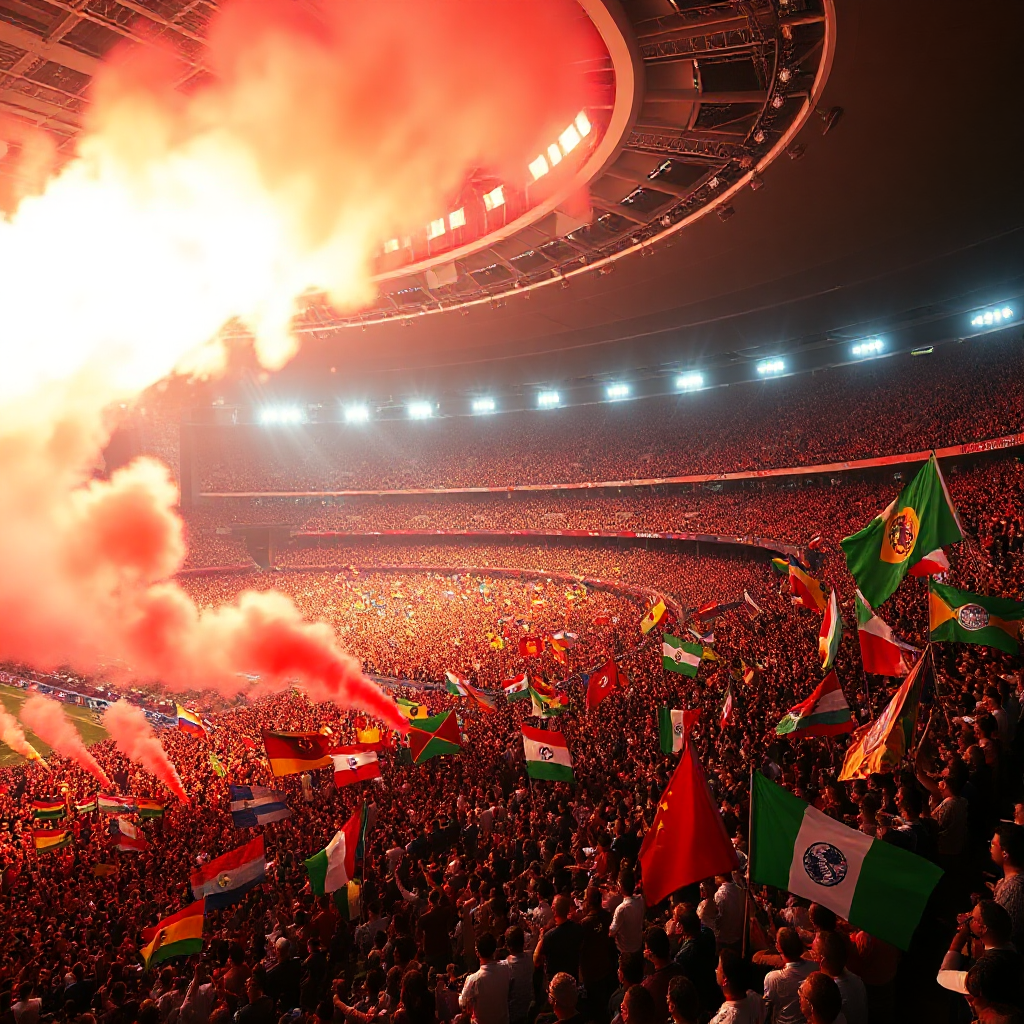
 Hình minh hoạ: 789Club online
Tactical Breakdown and Form Context
Understanding the probable match dynamics requires examining how each side handles spatial control and vertical progression. Real Madrid’s system typically relies on rapid switches of play to stretch opposing defenses, followed by quick combinations in the penalty area. Their ability to recycle possession during sustained attacks creates opportunities to test defensive stamina and communication. Girona’s approach contrasts by utilizing coordinated runs from attacking midfielders and overlapping fullbacks to overload the wings, then delivering precise crosses or cut-backs. The clash of these two methodologies will determine whether the game unfolds as a controlled territorial battle or a fragmented counter-attensive exchange.
Defensive organization remains the critical variable in this matchup. Teams that successfully compress the central channels while forcing opponents into low-percentage wide deliveries tend to limit high-value chances. Conversely, defensive lines that step up too early risk being exposed through balls played in behind, especially against pace-oriented attackers. Prediction models incorporate pass completion rates under pressure, progressive passes allowed per defensive action, and aerial duel success to estimate how well each unit can withstand sustained attacks. The side that maintains better shape during transitional moments will likely control the tempo and reduce scoring opportunities for the opposition.
| Metric Category | Real Madrid Profile | Girona Profile |
|---|---|---|
| Primary Build-up Zone | Central half-spaces | Wide overloads |
| Pressing Trigger | Backward pass or weak touch | Forward pass into midfield |
| Defensive Compactness | Mid-block with lateral shifting | Low block with vertical compression |
| Chance Creation Focus | Quick combinations near box | Crosses and cut-backs |
Form trajectories further refine the predictive outlook. Consistency in executing tactical instructions across multiple fixtures provides a stronger indicator of upcoming performance than isolated standout matches. Coaches who prioritize positional discipline and collective responsibility typically produce steadier results against unpredictable opponents. Prediction frameworks weigh recent outputs not just by wins or losses, but by underlying indicators such as shot quality distribution, defensive error frequency, and transition recovery speed. The club that demonstrates better adaptation to in-game adjustments usually secures the advantage, even when facing stylistically opposite rivals.

Timeline of Events Leading Up to Kickoff
The period surrounding a high-profile La Liga fixture follows a predictable sequence of operational milestones that directly influence prediction accuracy. Press conferences typically occur forty-eight hours before kickoff, offering managers insights into selection philosophy, tactical emphasis, and injury status. These sessions rarely reveal exact starting elevens, but they provide directional cues about formation preferences and player availability. Analysts cross-reference these statements with training ground footage and local reporting to adjust probability matrices accordingly.
Lineup windows open approximately sixty minutes before the official whistle, marking the most critical juncture for predictive updates. Sudden changes in goalkeeper assignments, midfield rotations, or wingback placements can drastically alter expected match dynamics. Platforms that specialize in rapid analysis revise their projections within minutes of official confirmation, highlighting shifts in defensive solidity, attacking width, and set-piece responsibility. Fans monitoring the fixture should expect real-time model adjustments that reflect the actual composition of both squads rather than theoretical previews.
Pitch conditions and weather forecasts also enter the predictive equation during the final twenty-four hours. Heavy rainfall can slow ball circulation and favor direct approaches, while dry surfaces typically enhance technical execution and rapid transitions. Officials inspect the playing surface regularly, and any anomalies are communicated to broadcast networks and official channels. Prediction systems factor in environmental variables because they directly impact player movement, passing accuracy, and overall tactical feasibility. The alignment of optimal conditions with a team’s preferred style often tilts the expected outcome slightly in their favor.

Analytical Framework and Source Reliability
Constructing a reliable prediction requires distinguishing between data-driven analysis and speculative commentary. Reputable forecasting methods combine historical performance metrics, current form indicators, and tactical compatibility assessments into a cohesive evaluation matrix. Analysts prioritize transparent methodologies that explain how each variable influences the final projection, allowing readers to verify assumptions independently. Sources that rely on insider rumors, unverified social media posts, or emotionally charged opinions consistently produce less accurate outcomes and should be treated with caution.
Cross-referencing multiple analytical streams strengthens predictive confidence. Independent statistical models, tactical breakdowns from certified coaches, and verified team news converge to form a comprehensive picture. When these sources align, the resulting projection carries higher reliability. Divergence among reputable outlets typically indicates genuine uncertainty, prompting analysts to present ranges rather than fixed conclusions. The goal is never to guarantee a specific result, but to outline the most probable scenarios based on observable evidence and logical progression.
Transparency in methodology also matters significantly. Detailed breakdowns that explain weighting factors, data sources, and adjustment protocols enable readers to understand how predictions are constructed. Background materials available through platforms like giới thiệu 789Club often outline these principles, helping users navigate complex football analytics with clearer expectations. Responsible forecasting acknowledges limitations, recognizes that football remains inherently volatile, and avoids presenting projections as certainties. This approach fosters informed engagement rather than blind reliance on predicted outcomes.

Market Reaction and Prediction Landscape
Public sentiment and media coverage frequently amplify certain narratives before kickoff, influencing how predictions are perceived and distributed. Headlines emphasizing historical dominance, star player returns, or dramatic stakes can skew audience expectations, regardless of underlying tactical realities. Predictive professionals recognize this phenomenon and deliberately distance their analysis from emotional storytelling, focusing instead on structural indicators and measurable trends. The distinction between popular opinion and calculated assessment remains essential for maintaining accuracy.
Financial markets respond dynamically to developing information, with odds adjustments reflecting new data rather than predetermined biases. Sharp movements in pricing typically correlate with verified lineup changes, late fitness clearances, or unexpected tactical announcements. Tracking these fluctuations alongside independent analysis reveals where consensus aligns with reality and where speculation drives artificial volatility. Informed observers monitor both traditional sports markets and community-driven discussion forums to gauge shifting attitudes, but they prioritize verified information over crowd reactions.
The broader prediction ecosystem thrives on continuous iteration. Models are updated after every match to account for evolving team behaviors, referee tendencies, and environmental factors. Long-term accuracy improves when analysts acknowledge past misalignments and adjust weighting parameters accordingly. Readers benefit from systems that demonstrate self-correction and methodological honesty, as these traits signal sustainable forecasting practices rather than temporary coincidences. The landscape rewards patience, verification, and disciplined evaluation over impulsive conclusions.
What Might Happen Next
Post-match implications extend far beyond the three points awarded on the day. League table positioning, goal difference calculations, and head-to-head tiebreakers all shift depending on the outcome, influencing subsequent scheduling decisions and managerial pressure. A victory for either side strengthens domestic standing, while a draw may prompt strategic reassessments for clubs competing in European qualifiers or cup competitions. Analysts track these downstream effects to contextualize how a single fixture contributes to broader campaign objectives.
Managerial responses following the encounter often reveal tactical priorities and long-term planning. Press conferences typically address execution quality, decision-making under pressure, and areas requiring improvement. Coaching staffs use these sessions to reinforce positive habits while addressing structural vulnerabilities exposed during the match. Predictive models incorporate post-match evaluations to refine future projections, recognizing that teams frequently adjust approaches based on observed weaknesses and opponent strengths.
Scheduling adjustments and fixture congestion loom shortly after the whistle blows. Domestic cups, continental competitions, and international breaks create overlapping demands that test squad depth and recovery protocols. Clubs that manage rotations effectively maintain performance consistency, while those relying heavily on first-choice starters face increased fatigue risks. Forward-looking analysis accounts for these logistical realities, ensuring that predictions remain grounded in practical constraints rather than idealized scenarios. The cycle of evaluation, adjustment, and preparation continues uninterrupted, shaping how future matchups are approached.
Recommendations by Reader Group
- Casual supporters: Focus on match-day entertainment and tactical storytelling rather than outcome certainty. Enjoy the strategic chess match between coaches, observe how pressing triggers unfold, and appreciate the spatial battles that define modern La Liga football.
- Statistical analysts: Track underlying metrics such as xG timelines, defensive line heights, and transition recovery rates. Compare live data against pre-match projections to identify model drift and refine your own evaluation framework for future fixtures.
- Betting participants: Establish strict bankroll limits, treat predictions as probabilistic guides rather than guarantees, and avoid chasing losses after unexpected results. Prioritize value identification over outcome conviction, and maintain detailed records to assess long-term strategy effectiveness.
- Traveling supporters: Verify transport schedules, accommodation confirmations, and stadium entry requirements well in advance. Arrive early to experience pre-match atmosphere safely, follow official venue guidelines, and remain aware of local regulations to ensure a secure visit.
- Coaching enthusiasts: Study formation shifts during key phases, analyze pressing coordination, and document how each side responds to setbacks. Use these observations to build personal tactical libraries that translate into practical field applications.
Frequently Asked Questions
How are match predictions adjusted after lineup announcements?
Predictive models immediately recalculate probability distributions once official starting elevens are released. Positional changes, late fitness clearances, and rotational surprises alter expected tactical flows, prompting analysts to update projections within minutes. Reliable sources publish revised assessments that reflect the actual squad composition rather than theoretical previews.
Why do some platforms show conflicting predictions for the same fixture?
Differences arise from varying weighting methodologies, data sources, and analytical priorities. Some frameworks emphasize historical head-to-head performance, while others focus on current form, tactical compatibility, or environmental factors. Both approaches contain valid elements, and divergence typically reflects legitimate analytical perspectives rather than errors.
Can weather or pitch conditions completely change a predicted outcome?
Environmental factors influence execution quality but rarely override structural advantages entirely. Poor conditions may slow ball circulation and favor direct approaches, yet teams with adaptable systems and superior conditioning still maintain meaningful edges. Predictions account for these variables but do not treat them as absolute determinants.
How should readers interpret odds movements in relation to predictions?
Odds reflect market sentiment, financial positioning, and information flow rather than objective truth. Significant price shifts usually correlate with verified news or heavy betting volume, but they can also be manipulated by sharp money or public bias. Comparing market movements against independent analysis helps distinguish rational pricing from speculative volatility.
What makes a prediction source trustworthy for ongoing La Liga coverage?
Reliable sources prioritize transparency, methodological consistency, and verifiable data. They acknowledge limitations, avoid sensationalism, and update projections responsibly as new information emerges. Readers should favor outlets that explain their weighting criteria, cite credible inputs, and demonstrate long-term calibration rather than short-term accuracy spikes.

 Hình minh hoạ:




 Hình minh hoạ:




 Hình minh hoạ: link đăng nhập qh88.com mượt mà không bị chặn




 Hình minh hoạ: đường link alo789 thay thế không lo chặn




 Hình minh hoạ: KUWIN




 Hình minh hoạ: XOSO66




 Hình minh hoạ: Go8



 Hình minh hoạ: TR88




 Hình minh hoạ: cách vào mu88 khi bị nhà mạng chặn nhanh nhất