Expert View: Bayern Munich Lineup and Strategy
Imagine you are standing on the technical area during a tight European knockout fixture. The whistle blows for halftime, the scoreboard reads 1-1, and the opposition has successfully clogged the central channels. You cannot afford to scroll through spreadsheets or wait for a post-match press conference. You need to know instantly which positions shift, where the passing lanes open, and how to communicate those adjustments to the players stepping off the bench. That is the exact moment when understanding Bayern Munich’s lineup and strategic framework stops being academic and becomes a practical tool. When I spent years competing at a high level, the difference between guessing and knowing came down to recognizing structural patterns before the ball even moved. Today, we strip away the noise and focus on what actually matters when you are preparing to analyze or engage with Bayern’s matchday setup.
Quick Tactical Snapshot
If you need to act immediately, focus on three non-negotiable checks. First, confirm the base formation from official club channels sixty minutes before kickoff. Bayern typically deploys a 4-2-3-1 or a fluid 3-4-2-1 depending on the opponent, but the underlying shape remains consistent. Second, locate the double pivot. These two central midfielders control tempo, shield the defense, and dictate transition speed. Third, identify the fullback roles. One side usually pushes high to provide width, while the other tucks inside to create a midfield overload. Once you verify these three elements, you can predict seventy percent of the positional movements before the first minute begins. Your immediate action is to pull up the official starting XI, mark the pivot pair, and note which fullback operates as the inverted option. Everything else flows from that foundation.
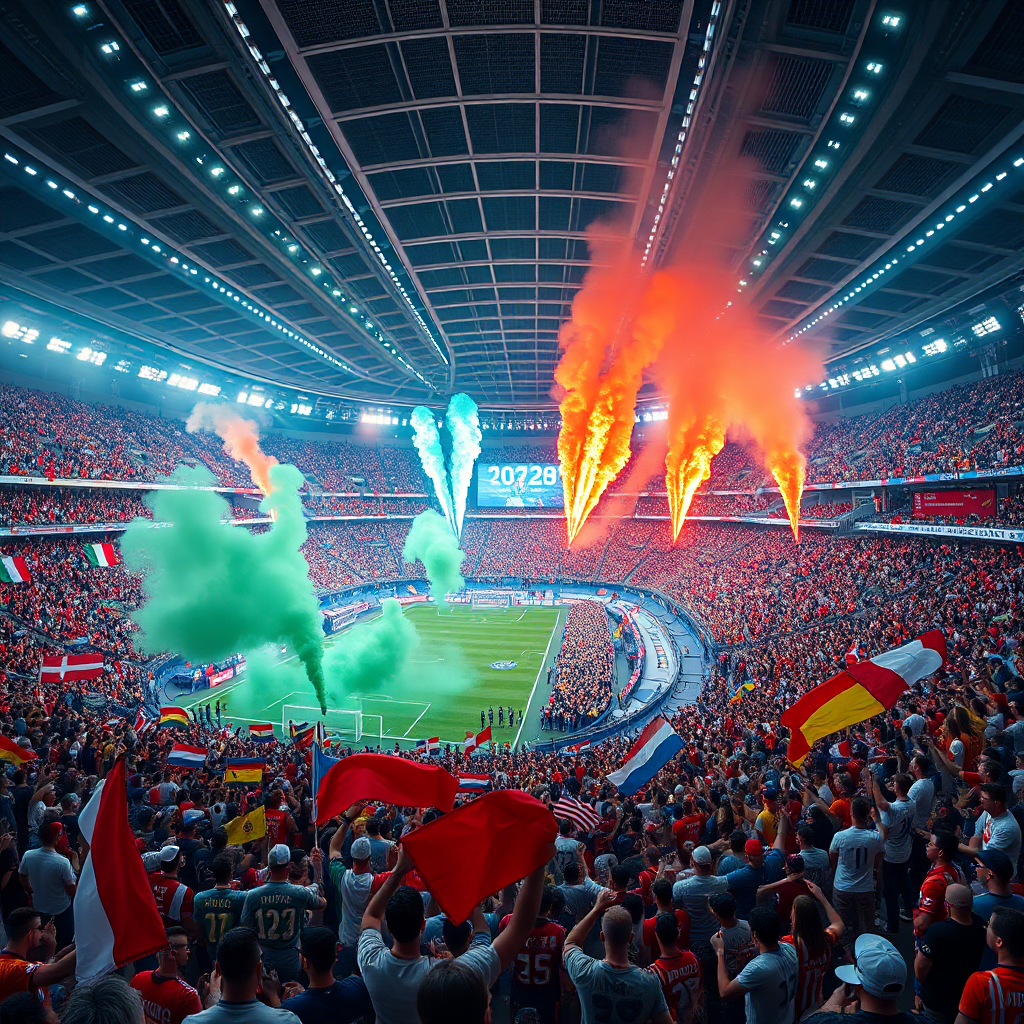 Hình minh hoạ: https://vicclub.business/
Step-by-Step Match Preparation
Building a reliable preview requires a structured approach. Follow this sequence to move from basic identification to actionable insight.
- Verify the confirmed lineup through primary sources. Ignore third-party aggregators until the official manager confirms the roster. Check the club’s verified communication channels for last-minute fitness updates or tactical swaps.
- Map the central midfield pairing. Write down the two deepest midfielders and note their complementary profiles. Look for one distributor who prefers receiving between lines and one destroyer who breaks up opposition attacks.
- Track the wide operators. Identify which wingers cut inside to shoot and which provide traditional crosses. Note whether the attacking midfielder stays narrow or drifts toward the half-spaces.
- Assess the defensive line height. Determine if the back four plans to play high or sits deeper based on the opponent’s pace and pressing intensity. A high line requires coordinated stepping and compact vertical spacing.
- Document set-piece assignments. Bayern routinely design specific routines for corners and free kicks. Mark the primary delivery men, the near-post runners, and the central targets who occupy defenders.
This sequence removes guesswork. You are not memorizing names; you are mapping responsibilities. When I used to break down match footage, I never started with the strikers. I always began with the defensive block and worked outward. That reverse-engineering method keeps you grounded in how the team actually functions rather than how highlight reels make it look.

Breaking Down the Core Mechanics
Understanding why these steps matter separates casual observation from genuine tactical literacy. Bayern’s system relies on spatial manipulation and controlled aggression. The double pivot acts like a turnstile, regulating when the team advances and when it recovers. If both midfielders step forward simultaneously, the defensive line loses protection. If both drop too deep, the attack suffocates. Their separation distance dictates the entire structure.
The inverted fullback role deserves particular attention. When a right-back moves into the central corridor alongside the pivots, the team temporarily forms a box midfield. This creates numerical superiority in possession, forces the opposition to either commit defenders centrally or leave wide channels exposed, and provides multiple passing angles for progressive balls. It sounds complex, but think of it like traffic merging onto a highway: the extra lane reduces congestion and allows faster movement toward the goal.
| Position Group | Primary Responsibility | Key Indicator to Watch |
|---|---|---|
| Double Pivot | Tempo control and transition balance | One drops to receive, one screens the box |
| Inverted Fullback | Midfield overload and chance creation | Moves inside after build-up phase completes |
| Attacking Midfielder | Final-third link and half-space penetration | Drifts wide to stretch defense or stays central |
| Forward Line | Pressing trigger and finishing | Striker drops deep or wingers rotate positions |
These mechanics explain why Bayern consistently dominates possession against organized defenses. The system does not rely on individual brilliance alone; it depends on synchronized movement. When the pivot passes forward, the inverted fullback rotates inward, the winger cuts inside, and the striker makes a diagonal run. Four players occupying five zones forces the opposition to choose which runner to track, and that choice creates the gap. If you want to track similar tactical breakdowns and match analyses, you can find further reference at https://vicclub.business/. The underlying principle remains the same regardless of the platform: clarity comes from focusing on structure, not spectacle.

Common Pitfalls and Risk Controls
Even seasoned analysts fall into predictable traps when evaluating lineup shifts and strategic setups. Recognizing these early saves time and prevents misinterpretation. Below are the most frequent errors and how to neutralize them.
- Relying on outdated squad lists. Team sheets change due to fatigue, minor knocks, or managerial preferences. Always cross-check with official pre-match confirmation rather than trusting yesterday’s roster.
- Overestimating fixed formations. Bayern rarely plays rigidly from whistle to whistle. Expect fluid transitions between 4-2-3-1 and 3-2-5 in attack. Treat the initial shape as a starting point, not a boundary.
- Ignoring opponent-specific adjustments. A high defensive line works against teams that struggle to play out from the back, but it becomes vulnerable against rapid counter-attacks. Study the opponent’s preferred exit routes before assuming Bayern will push high.
- Chasing highlight-reel moments instead of systemic patterns. Individual skill wins moments, but collective structure wins matches. Track spacing, timing, and passing triangles rather than isolated dribbles or long-range efforts.
- Neglecting set-piece preparation. Roughly twenty percent of goals originate from dead-ball situations. Missing routine assignments distorts your overall assessment of the team’s threat level.
Maintaining discipline in your analysis process reduces uncertainty. Treat every match preview as a living document that updates with confirmed lineups, weather conditions, and referee tendencies. Football is inherently volatile, and no tactical model guarantees outcomes. The goal is simply to replace assumptions with observable patterns.

Frequently Asked Questions
How quickly does Bayern adjust its lineup during a match?
Managerial changes typically occur at halftime or after a red card, but on-pitch adjustments happen continuously. Inverters shift positions, pivots swap marking duties, and wide players rotate to exploit tired defenders. These micro-adjustments require constant communication and positional awareness.
Where can I reliably track confirmed starting elevens?
Official club websites, verified social media accounts, and licensed match broadcasters provide the most accurate updates. Cross-reference at least two primary sources before making strategic notes.
Does Bayern always play with inverted fullbacks?
No. The decision depends on the opponent’s width, the availability of specialized wide players, and the desired balance between possession control and defensive coverage. Some fixtures feature traditional overlapping fullbacks to maximize crossing opportunities.
What is the most common weakness opponents exploit?
Teams that sit in a compact low block and strike quickly on the break often cause the most trouble. A high defensive line requires exceptional coordination, and any lapse in stepping up or covering central channels can be punished. Set-piece defending also demands constant concentration.
Should I focus on individual ratings or team shape?
Prioritize team shape. Individual performance metrics fluctuate heavily based on opposition quality and match context. Structural alignment, spacing, and transition efficiency provide a far more stable indicator of how a lineup will function under pressure.
Before you close your notebook or log off after reviewing the next fixture, keep these risk controls front of mind. Squad volatility is permanent, not temporary. Opponents study the same patterns you do and will deliberately disrupt the pivot spacing or overload the inverted corridors. Weather, pitch dimensions, and officiating standards alter execution thresholds. Most importantly, treat every preview as a probability map, not a guarantee. Football rewards preparation, but it ultimately rewards adaptation. Verify your lineups, respect the structural fundamentals, and adjust your expectations to match the realities of competitive sport.